Mold growth within 48 hours of the fire
We start antimicrobial treatment the same day we extract, and we keep drying equipment running until moisture readings hit dry standard. That combination stops mold before it starts in most cases.
Water damage remediation after fire South Prairie WA starts with a phone call and a crew on your property. We pull standing water, dry the structure, and stop smoke-tainted moisture from turning into mold. If you need fire water damage cleanup in South Prairie tonight, our technicians answer 24/7 and work directly with your insurance carrier.
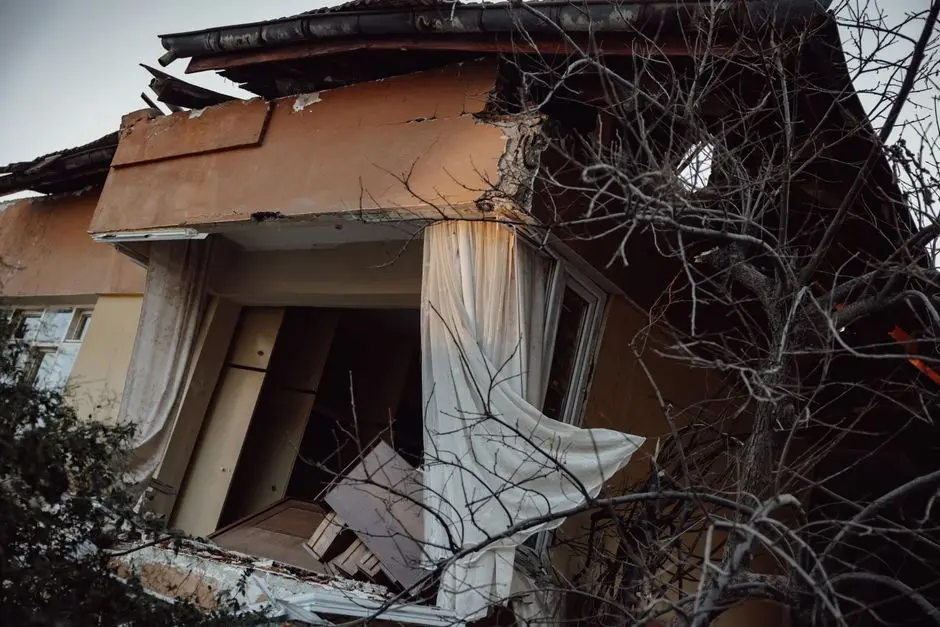
Water damage remediation after fire South Prairie WA is the process of extracting firefighting water, drying saturated building materials, and removing smoke and soot residue before mold and structural rot set in. Fire hoses can push 100 to 250 gallons per minute into a home, and that water carries ash, char, and firefighting foam into drywall, insulation, and subflooring. We use moisture meters, thermal imaging cameras, and truck-mounted water extractors to find where the water actually went, not just where it pooled.
In South Prairie, most fire-related water calls come from kitchen grease fires, chimney flue failures, and space heater accidents in older homes along Prairie Ridge and Old Town South Prairie. Winter is the busiest season here, when a fire on one side of the house meets freezing temperatures on the other and pipes crack while crews are still on scene. If you're searching for water damage remediation after fire near me South Prairie, we're based locally and can be on-site within the hour.
Every fire loss is different, but the core scope of water damage remediation after fire South Prairie WA is consistent. Here's what's covered in a standard job and what gets quoted as an add-on.
Truck-mounted extractors and extraction wands pull standing water from floors, carpets, and low spots. This happens the same day we arrive, usually within the first two hours on site.
Air movers and dehumidifiers placed by cubic footage, with polyethylene sheeting to contain airflow. Equipment runs 3 to 5 days with daily moisture logs.
EPA-registered antimicrobial solution applied to affected framing, subflooring, and wall cavities to stop mold colonization before it starts. This is standard on every fire water job.
Fire water carries smoke residue into places water alone wouldn't reach. We clean affected surfaces and use desiccant-based deodorization to neutralize odor at the source.
Xactimate estimate, moisture maps, and before/after photos submitted to your adjuster. We handle the back-and-forth so the claim moves without you chasing paperwork.
Hygrometer readings against the dry standard for each material. We don't pull equipment until the numbers match. You get a written completion report for your file.
You call (833) 321-7153 and speak to a real person, day or night. We ask three questions: what burned, how much water is standing, and whether the power is off. Within 15 minutes we've dispatched a crew and given you a realistic arrival window. Most South Prairie addresses get a tech on-site in under 60 minutes.
Our IICRC WRT-certified tech walks the property with a moisture meter, thermal imaging camera, and bore scope camera. We map every wet zone, check for hidden moisture behind baseboards and inside wall cavities, and photograph everything for your insurance file. This inspection typically takes 45 to 90 minutes.
Truck-mounted water extractors and extraction wands pull standing water from floors, carpets, and low spots. For deep saturation we use weighted extraction on carpet and hard-surface wands on tile and concrete. A typical 1,200-square-foot South Prairie home takes two to four hours to extract.
We set air movers and dehumidifiers based on the cubic footage of each affected room, then seal off the work zone with polyethylene sheeting to concentrate airflow. Equipment runs 3 to 5 days. You'll get a moisture log every morning so you can see the numbers dropping.
Once materials hit dry standard, we remove the equipment, do a final antimicrobial treatment, and hand you a completion report for your adjuster. If drywall, insulation, or subflooring needs replacement, we handle the rebuild in the same job so you're not coordinating three different contractors.
Purpose-built equipment, used by trained technicians — so the job is done accurately the first time.
Pulls standing water at high volume from carpets, hard floors, and low spots. This is the first piece of equipment on site and the one that determines how much material we save.
Finds hidden moisture behind walls, under floors, and inside ceiling cavities without tearing anything open. We use it during the initial assessment and again before we pull equipment.
Takes calibrated readings of moisture content in drywall, wood, and concrete. We log readings twice a day and compare them against the dry standard for each material.
Inspects wall cavities and crawl spaces without demolition. On fire jobs, it lets us verify that water didn't travel into a space we can't see from the room.
High-velocity air movers that evaporate moisture from wet surfaces into the air so dehumidifiers can remove it. Placement is calculated by cubic footage, not guesswork.
Remove moisture from the air so drying continues. Desiccant units are used on cooler jobs where refrigerant dehumidifiers lose efficiency.
Weighted extraction presses water out of carpet and pad while the wand pulls it into the extractor. This is how we save carpet that would otherwise be a tear-out.
A grease fire triggered the fire department, and water from the hoses stood an inch deep on tile and ran under the cabinets. The subfloor was saturated, and smoke residue coated every surface in the room.
We extracted 40 gallons of standing water in the first two hours, dried the subfloor to standard in four days, and treated the framing with antimicrobial solution. Cabinets stayed in place, and the kitchen was back in service in eight days.
A chimney fire sent water through the attic insulation and down into two bedroom ceilings. Wet insulation was sagging, and the ceiling drywall was stained and soft in three spots.
We removed 180 square feet of wet insulation, dried the joists and roof decking in five days, and patched the ceiling drywall during rebuild. Final moisture readings matched the dry standard on every material.
A space heater fire set off the sprinklers in a 900-square-foot rental unit. Water covered the floor, soaked the carpet and pad, and left smoke residue on every wall. The tenant was displaced.
Truck-mounted extraction pulled the standing water the same night. Carpet and pad were replaced, walls were cleaned and treated, and the unit read dry in four days. Total turnaround from call to re-rental was 11 days.
Fire water damage creates problems that don't show up on day one. Here are the ones we see most often in South Prairie, and how we handle them.
Ask a pro →We start antimicrobial treatment the same day we extract, and we keep drying equipment running until moisture readings hit dry standard. That combination stops mold before it starts in most cases.
Rapid water extraction within the first two hours is the only reliable way to save hardwood. We use weighted extraction and hard-surface wands to pull water out of the seams before the wood has time to move.
We use desiccant-based deodorization and antimicrobial treatment on every affected surface, including wall cavities and subflooring. Most customers tell us the house smells neutral within 72 hours of final treatment.
We file with Xactimate line items, moisture maps, and photo documentation your adjuster can verify. Most South Prairie claims get an initial response within 48 hours of our report.
Most residential fire water damage jobs in South Prairie run $2,800 to $9,500 in 2026, depending on square footage affected and how deep the water went. A single-room kitchen fire with limited water typically lands near the low end. Whole-floor saturation with smoke damage pushes toward the high end. Insurance usually covers the remediation portion of the claim, and we bill carriers directly.
Fire water damage cleanup in South Prairie Washington includes emergency water extraction, structural drying with air movers and dehumidifiers, antimicrobial treatment, smoke and soot residue removal, odor neutralization, and a final moisture verification against the ANSI/IICRC S500 dry standard. We also document the loss for your insurance claim. Rebuild work like drywall and paint is quoted separately if needed.
Yes. We work directly with all major carriers and file claims using Xactimate, the same estimating software most adjusters use. You'll get a copy of every photo, moisture reading, and line item we submit. Most South Prairie customers see an adjuster response within 48 hours of our report, and we handle the back-and-forth so you don't have to.
Extraction takes two to four hours on a typical South Prairie home. Drying runs three to five days with equipment on site. If drywall, insulation, or subflooring has to be replaced, add three to seven days for the rebuild. Total timeline from call to final walkthrough is usually 7 to 14 days. We give you a written schedule on day one.
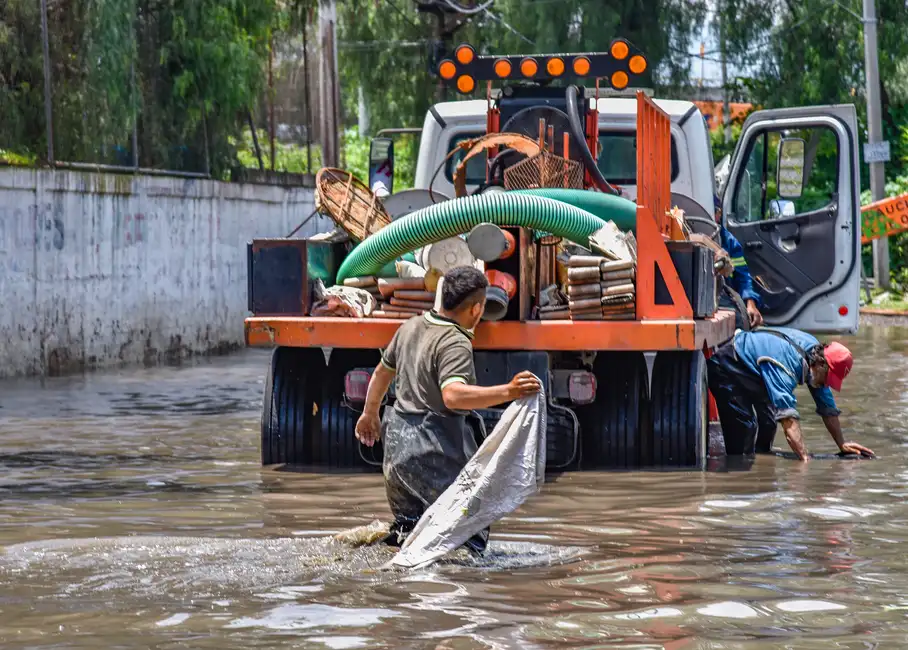 flood restoration servicesWhen firefighting water triggers secondary flooding in a basement or crawl space, our flood restoration services handle the standing water and saturated materials in one pass. We treat fire-related flooding the same as storm flooding: extract, dry, verify, rebuild.Explore →
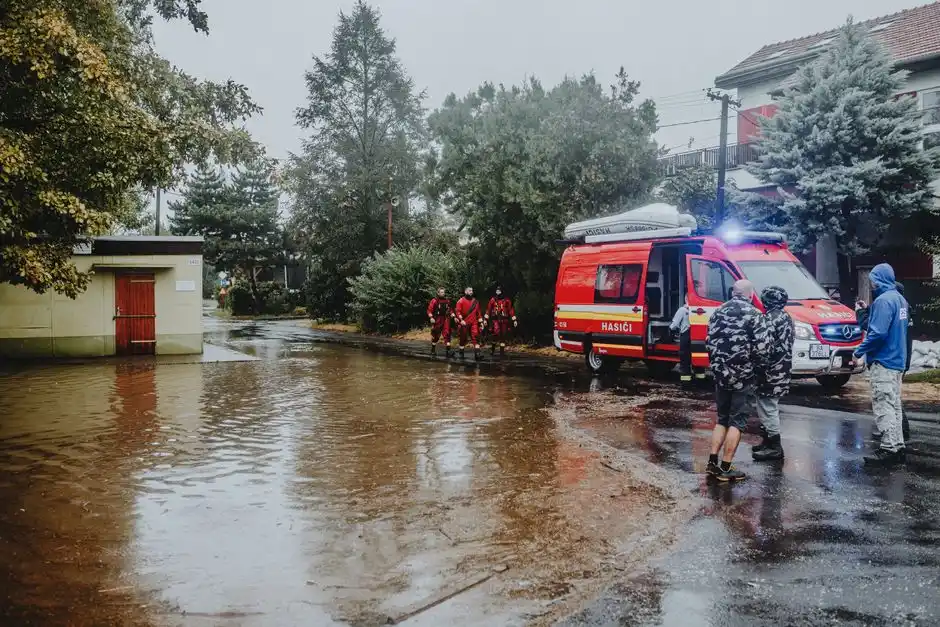 emergency water removalEmergency water removal is the first step of every fire water damage job. We pull standing water with truck-mounted extractors before drying equipment goes down. Without this step, dehumidifiers just fight a losing battle against water still sitting in the room.Explore →
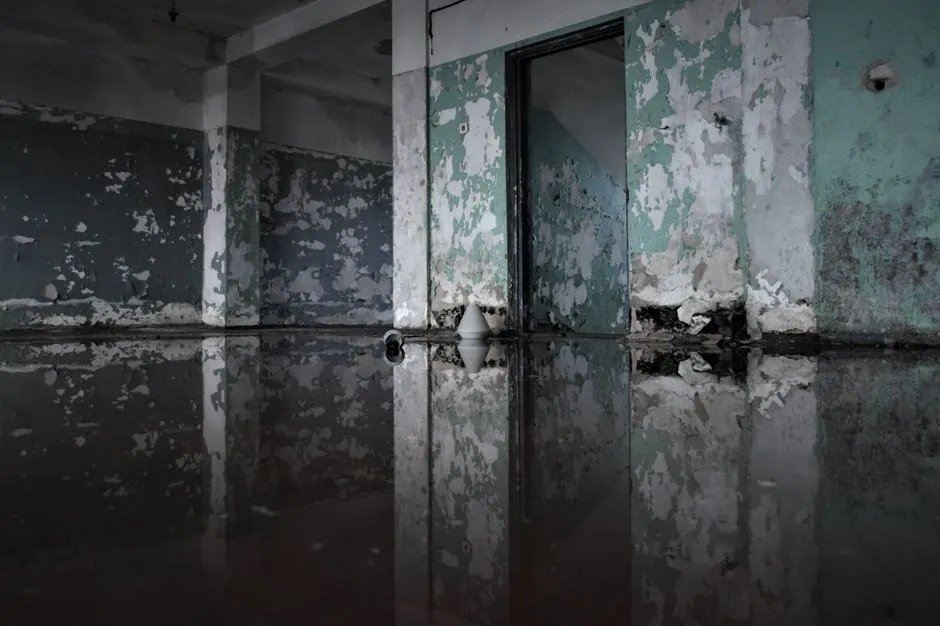 mold remediation after water damageFire water that sits more than 48 hours often grows mold in wall cavities and under flooring. Our mold remediation after water damage service follows ANSI/IICRC S520 and removes affected materials, treats the framing, and clears the space with post-remediation verification.Explore →
 water leak restorationFires often expose pre-existing leaks, and firefighting water finds every one of them. Our water leak restoration service traces the source, repairs the line, and dries the surrounding structure so you're not dealing with a slow leak months after the fire claim closes.Explore →
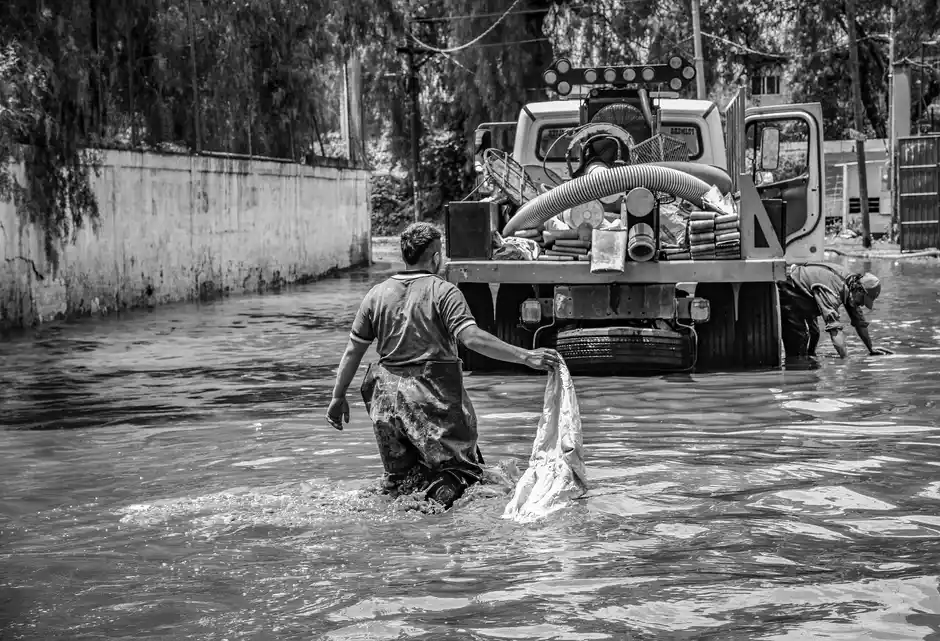 emergency water cleanupEmergency water cleanup covers the fast-response work: extraction, containment, and initial drying setup. For fire losses, we run this phase the same night we arrive so mold doesn't get a 48-hour head start while you wait on insurance approval.Explore →
 water extractionWater extraction is the mechanical removal of standing water using truck-mounted units and extraction wands. On a fire job, this is where we pull 90% of the water out before drying equipment is even unloaded. Speed here determines how much drywall survives.Explore →
 water damage mitigationWater damage mitigation is everything we do to stop the damage from getting worse: extraction, containment, antimicrobial treatment, and equipment placement. For fire losses, mitigation starts the moment we arrive and runs until materials hit dry standard.Explore →
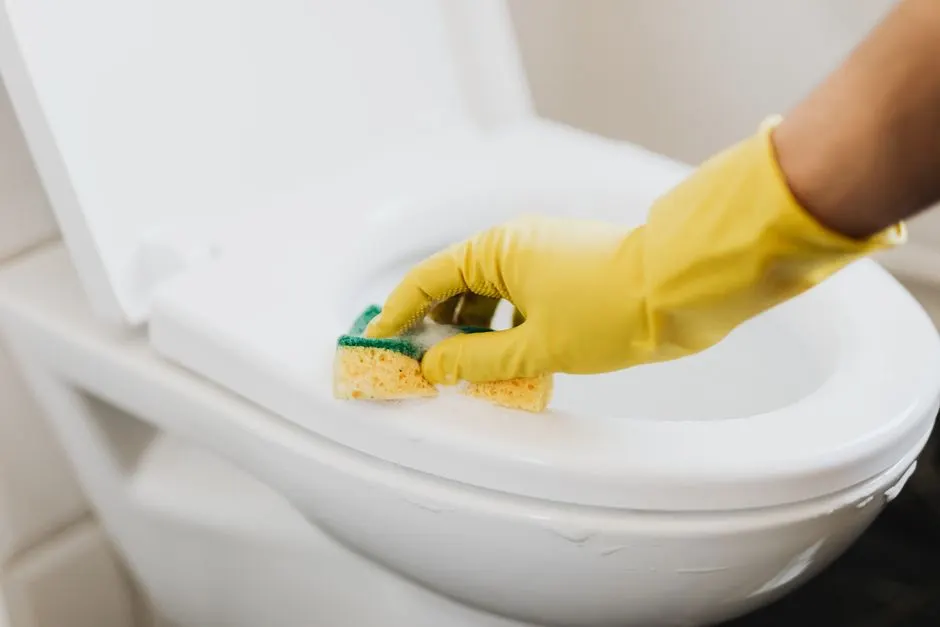 toilet overflow cleanupIf a fire started near a bathroom and water spread into the toilet area, we handle the overflow cleanup as part of the larger job. Category 3 water from sewage requires full disinfection and often removal of affected flooring and subflooring.Explore →
Every hour you wait, mold gets a stronger foothold and the rebuild gets more expensive. We answer 24/7, we're licensed and insured in Washington, and we bill insurance directly. One call gets a crew rolling to your South Prairie address.
Get emergency help (833) 321-7153 →Call us anytime at (833) 321-7153 for emergency service or to schedule a free assessment. We're available 24/7 for water damage emergencies in South Prairie and throughout Pierce County. You can also email us at info@waterdamagerestorationsouthprairie.com. We respond to all inquiries within one hour during business hours.