Burst pipe flooding a room overnight
We extract standing water, use thermal imaging to find hidden moisture, and set up drying equipment the same day. Most burst pipe jobs are dried and documented within four to five days.
When water is spreading across your floor, every minute counts. Our flood restoration services South Prairie WA crews roll out 24/7 with truck-mounted extractors and commercial drying gear to pull water out, dry the structure, and stop mold before it starts. We handle burst pipes, sewage backups, appliance leaks, and storm flooding for homeowners and businesses across Pierce County. Call (833) 321-7153 and we'll be on our way.
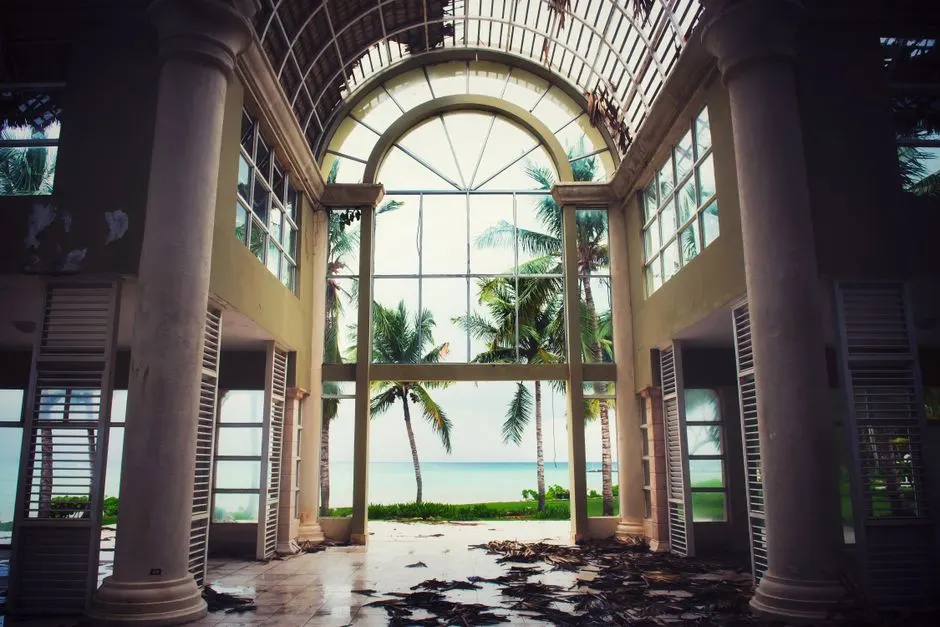
Flood restoration services South Prairie WA is the process of removing standing water, drying the structure to verified moisture levels, and returning your property to pre-loss condition after a flood, burst pipe, or sewage backup. It is not just shop-vac and fans. We use moisture meters, thermal imaging cameras, and hygrometers to map exactly where water traveled, then extract with truck-mounted units, place air movers and dehumidifiers, and document every reading until your floors, walls, and subflooring hit dry standard per ANSI/IICRC S500.
South Prairie sits in a low-lying pocket of Pierce County where winter rain, clay-heavy soil, and older housing stock combine to push water into crawl spaces and basements fast. A toilet overflow at 2 a.m. or a roof leak during a November storm can soak drywall and insulation in under an hour. If you're searching for emergency flood restoration South Prairie Washington, our team handles flooded basement restoration South Prairie WA, flood water removal South Prairie WA, and full structural drying so you're not tearing out soaked materials next spring.
Every flood restoration job is different, but here is what our standard scope covers. If your situation needs something outside this list, we'll tell you upfront before any work begins.
Truck-mounted extractors and extraction wands pull standing water from carpet, hardwood, tile, and subflooring. We work room by room until standing water is gone and materials are ready for drying.
We use moisture meters, thermal imaging cameras, and hygrometers to map exactly where water traveled. Every reading is logged and photographed for your insurance claim.
Air movers and dehumidifiers are positioned based on the moisture map. We check readings daily and adjust equipment placement until materials hit dry standard per ANSI/IICRC S500.
We apply antimicrobial solution to affected surfaces during extraction and after drying to prevent mold growth after water damage. This is standard on every job, not an add-on.
Sewage backups, toilet overflows, and storm water intrusion are Category 3. We set up containment with polyethylene sheeting, wear full PPE, remove contaminated materials, and dispose of them properly.
Before we pull equipment, we verify every affected material has hit dry standard. You get a written summary of readings, equipment logs, and the work performed.
You call (833) 321-7153 and reach a live person, day or night. We ask what flooded, how deep, and whether the water is clean or contaminated. Within minutes we dispatch the closest crew with the right equipment loaded. You get a call-back with an arrival window, usually 60 to 90 minutes.
On arrival, we walk the property with moisture meters, a thermal imaging camera, and a bore scope camera to find hidden water behind baseboards, under cabinets, and inside wall cavities. We categorize the water (Category 1 clean, 2 gray, 3 black) and document everything with photos before a single piece of equipment is placed.
Truck-mounted water extractors and extraction wands pull standing water from carpet, hardwood, and subflooring. For sewage backups or Category 3 water, we set up polyethylene sheeting containment, remove contaminated materials, and apply antimicrobial solution. Most residential extraction takes two to four hours.
We position air movers and dehumidifiers based on the moisture map, not guesswork. Drying typically runs three to five days for a standard room, longer for crawl spaces or saturated subflooring. We check readings daily with a hygrometer and adjust equipment placement until materials hit dry standard.
Once moisture readings match dry standard, we remove equipment and provide a full documentation package for your insurance claim. If drywall, insulation, or subflooring needs replacement, we handle the repairs or coordinate with your preferred contractor. You get a written summary of everything we did.
Purpose-built equipment, used by trained technicians — so the job is done accurately the first time.
Pulls hundreds of gallons of standing water from carpet, hardwood, and subflooring faster than portable units. Standard equipment on every flood restoration call.
Reveals hidden moisture behind walls, under floors, and inside ceilings without tearing anything open. We use it to map the full extent of water travel.
Measures moisture content in building materials and relative humidity in the air. We log readings daily to track drying progress and verify dry standard.
Lets us see inside wall cavities and under cabinets to find the water source and confirm whether hidden materials are wet.
Dri-Eaz and Phoenix Restoration Equipment units positioned based on the moisture map. They pull moisture out of materials and air until readings hit dry standard.
Used on carpet and upholstery to pull water from fibers without damaging the material. Works alongside the truck-mounted extractor.
A supply line failed under the kitchen sink overnight, soaking carpet in the hallway and wicking into the subflooring. Moisture readings showed 28% content in the subfloor, well above dry standard.
We extracted standing water, removed saturated carpet pad, and ran air movers and a dehumidifier for four days. Final readings showed 11% moisture content, within dry standard. Drywall and cabinets were saved.
A sewer line backup pushed Category 3 water into a finished basement, soaking carpet, drywall, and a section of subflooring. The space was unusable and hazardous.
We contained the area, removed contaminated carpet and drywall, applied antimicrobial solution, and dried the space for six days. Final moisture readings were within dry standard and the basement was safe to rebuild.
Three days of rain pushed water through the foundation into an unfinished basement. Standing water was two inches deep across 600 square feet, and the sump pump had failed.
We pumped and extracted the water, dried the concrete and framing for five days, and verified moisture readings. The basement was dry and ready for the homeowner to finish the space.
Water damage doesn't fix itself. Here are the most common problems our flood restoration services South Prairie WA crews handle, and what happens if they're ignored.
Ask a pro →We extract standing water, use thermal imaging to find hidden moisture, and set up drying equipment the same day. Most burst pipe jobs are dried and documented within four to five days.
We contain the area with polyethylene sheeting, remove contaminated materials, apply antimicrobial solution, and dry the space to safe standards. Full documentation for your insurance claim.
We find the leak source with a bore scope camera, extract water, remove saturated insulation, and dry the attic cavity. We verify moisture readings before recommending new insulation.
We use moisture meters and thermal imaging to map the affected area, extract water, and dry the subflooring. If materials can't be saved, we handle removal and coordinate repairs.
Most residential flood restoration jobs in South Prairie run $1,200 to $4,500 depending on square footage, water category, and how long drying takes. A single-room toilet overflow with clean water might land near $1,200 to $1,800. A flooded basement with contaminated water and removed drywall can push $6,000 or more. We provide a written scope before work begins, and most jobs are covered by homeowner's insurance.
Flood damage restoration South Prairie includes water extraction, moisture mapping, structural drying with air movers and dehumidifiers, antimicrobial application, and documentation for your insurance claim. If materials like drywall, insulation, or subflooring can't be saved, removal and replacement are part of the scope. We also handle the final moisture verification so you know the structure is actually dry.
Extraction usually takes two to four hours. Structural drying runs three to five days for a standard room, and five to seven days for crawl spaces or heavily saturated subflooring. Total project time from call to final walkthrough is typically one to two weeks if repairs are needed. We give you a realistic timeline on day one, not a sales pitch.
Yes. We work directly with your insurance adjuster and provide Xactimate-formatted documentation, moisture readings, and photos. Most homeowners pay only their deductible. We can also communicate with your adjuster throughout the process so you're not stuck relaying information back and forth. If your claim gets denied, we'll explain why and what your options are.
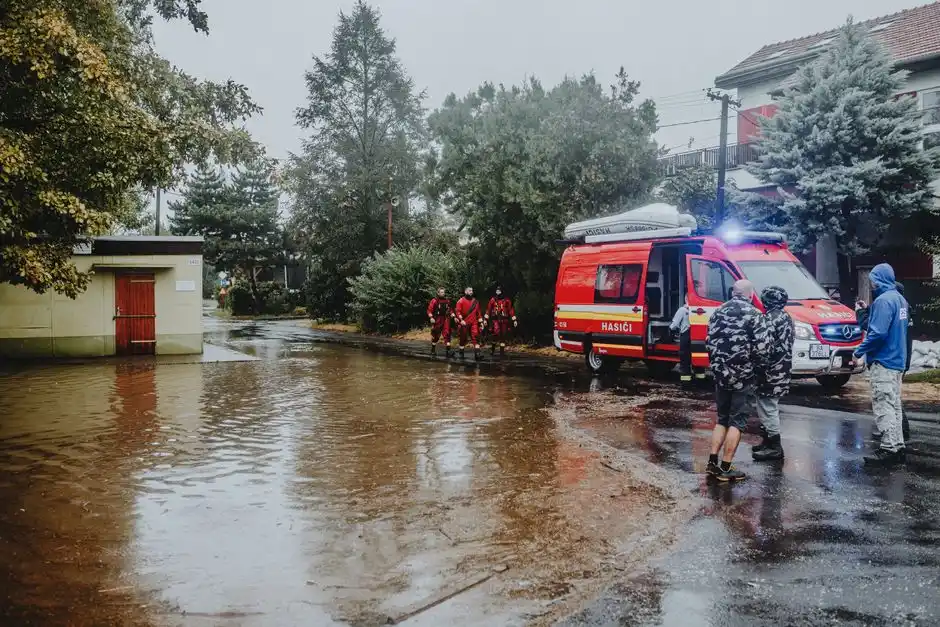 emergency water removalWhen water is still rising, emergency water removal South Prairie is the first step before any drying can start. We pull standing water with truck-mounted extractors, then transition straight into structural drying.Explore →
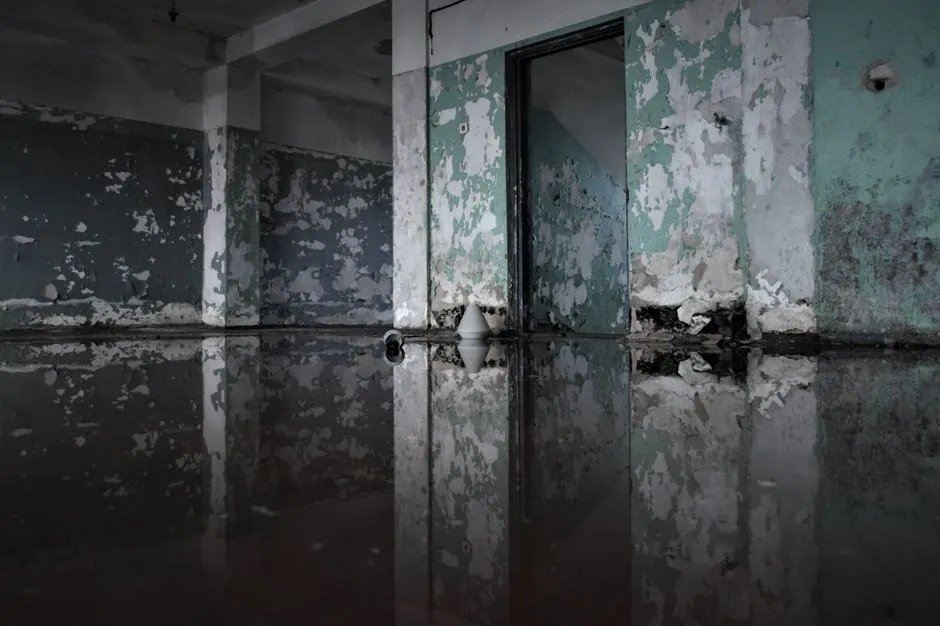 mold remediation after water damageIf water sat longer than 48 hours, mold growth after water damage is likely. Our mold remediation after water damage service includes containment, HEPA filtration, and antimicrobial treatment to clear the problem before it spreads.Explore →
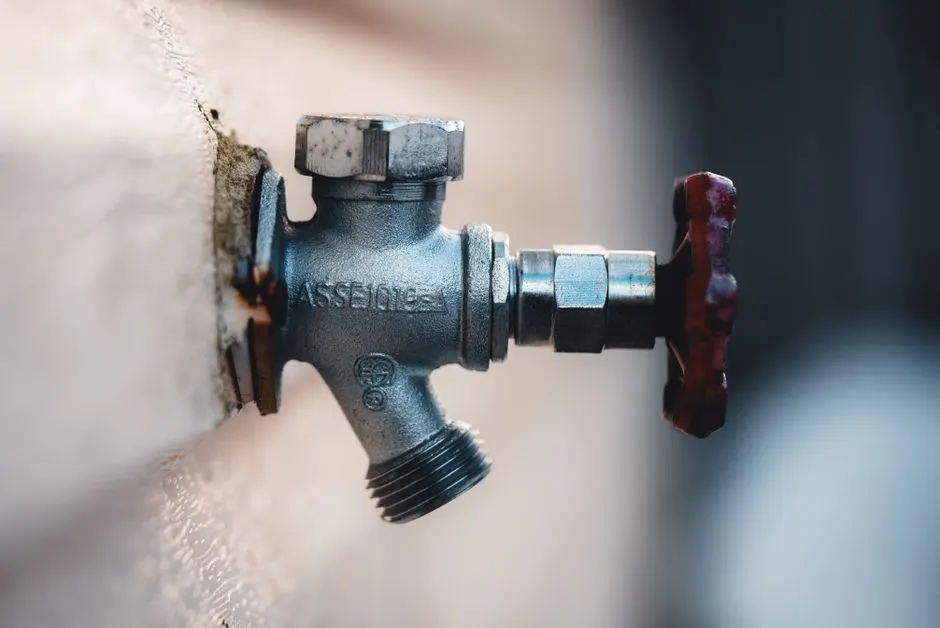 water leak restorationA slab leak or burst pipe behind a wall can soak framing for weeks before you notice. Our water leak restoration service finds the source, stops it, and dries the hidden cavities so you're not repairing rot next year.Explore →
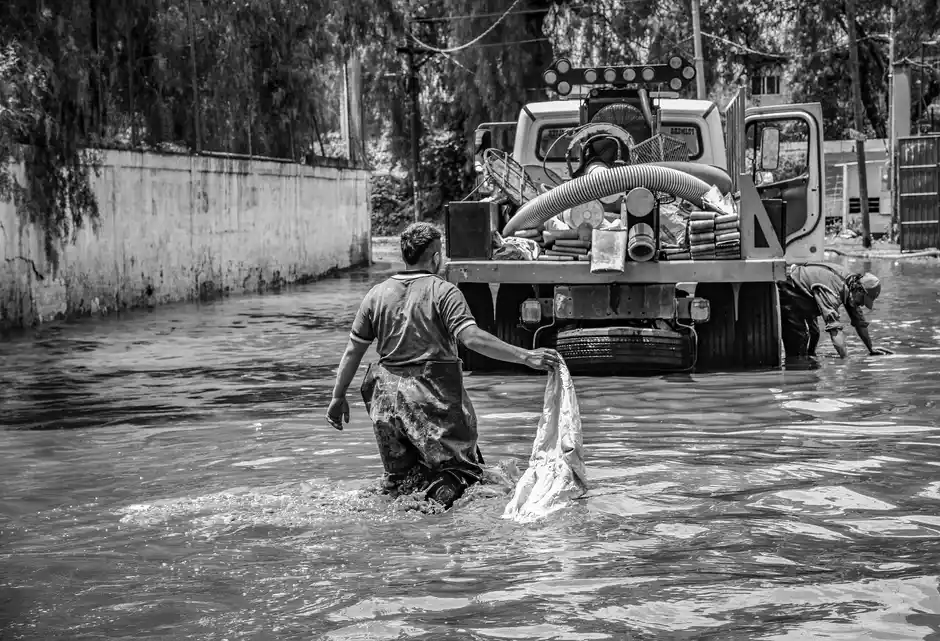 emergency water cleanupEmergency water cleanup covers the fast response work: extraction, containment, and initial drying. If you're dealing with a flooded kitchen or bathroom right now, this is the service to call first.Explore →
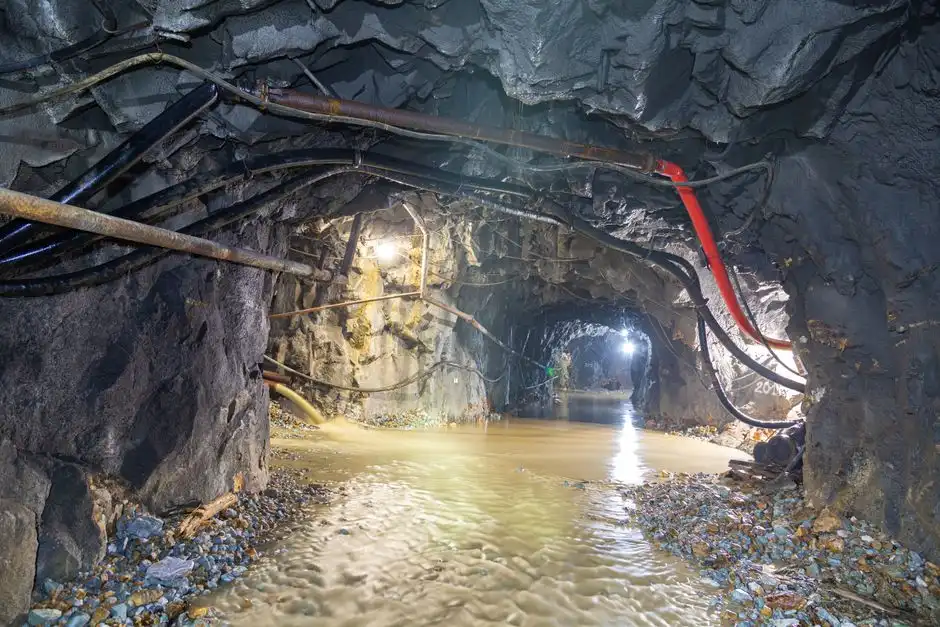 water extractionWater extraction is the mechanical removal of standing water from carpets, hardwood, and subflooring. We use truck-mounted units and extraction wands to pull water fast and prevent it from wicking into walls.Explore →
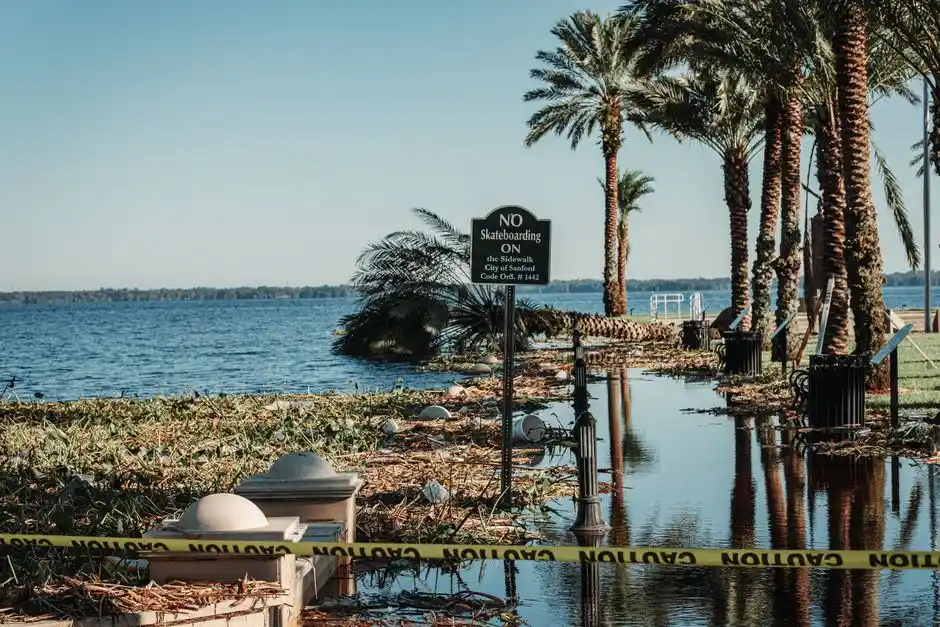 water damage mitigationWater damage mitigation is everything we do to stop damage from getting worse: extraction, drying, antimicrobial application, and moisture monitoring. It's the difference between a repair and a rebuild.Explore →
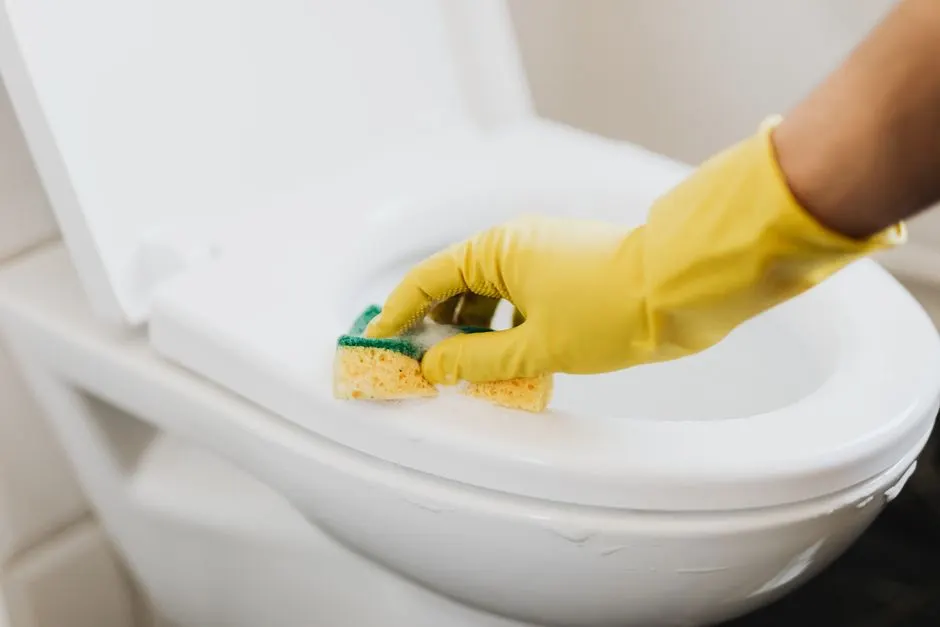 toilet overflow cleanupA toilet overflow is usually Category 3 water, which means contaminated. Our toilet overflow cleanup service includes full containment, removal of affected materials, and disinfection before drying begins.Explore →
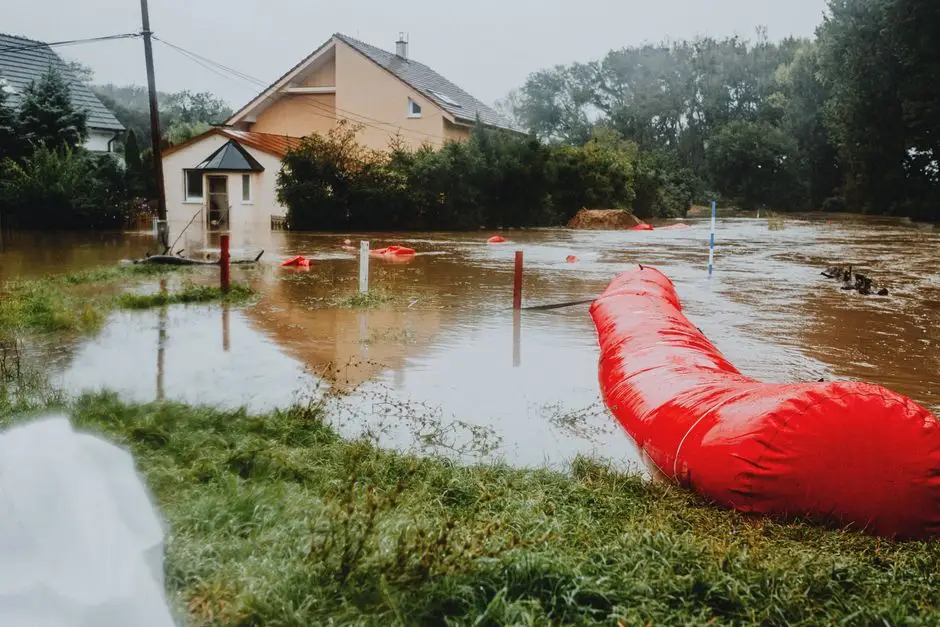 basement flood cleanupBasement flood cleanup in South Prairie often involves sump failures, foundation seepage, and storm water intrusion. We pump, extract, dry, and treat the space so it's safe to use again.Explore →
Water spreads fast. Our crews are on call 24/7 with truck-mounted extractors and drying equipment ready to roll. One call and we're on our way. Licensed, insured, and IICRC certified. Call (833) 321-7153 now.
Call Now (833) 321-7153 →Call us anytime at (833) 321-7153 for emergency service or to schedule a free assessment. We're available 24/7 for water damage emergencies in South Prairie and throughout Pierce County. You can also email us at info@waterdamagerestorationsouthprairie.com. We respond to all inquiries within one hour during business hours.