Burst pipe or frozen supply line in winter
We shut off the source, extract standing water, and dry the wall cavity with air movers and dehumidifiers. If drywall or insulation is saturated, we remove and replace it so the structure dries completely.
When a pipe bursts or a toilet overflows, water damage mitigation South Prairie WA crews handle the extraction, drying, and disinfection before mold takes hold. We serve homeowners and businesses across South Prairie and Pierce County with 24/7 emergency response, IICRC-certified technicians, and direct insurance billing. The first 24 to 48 hours decide whether you're looking at a dry-out or a rebuild.
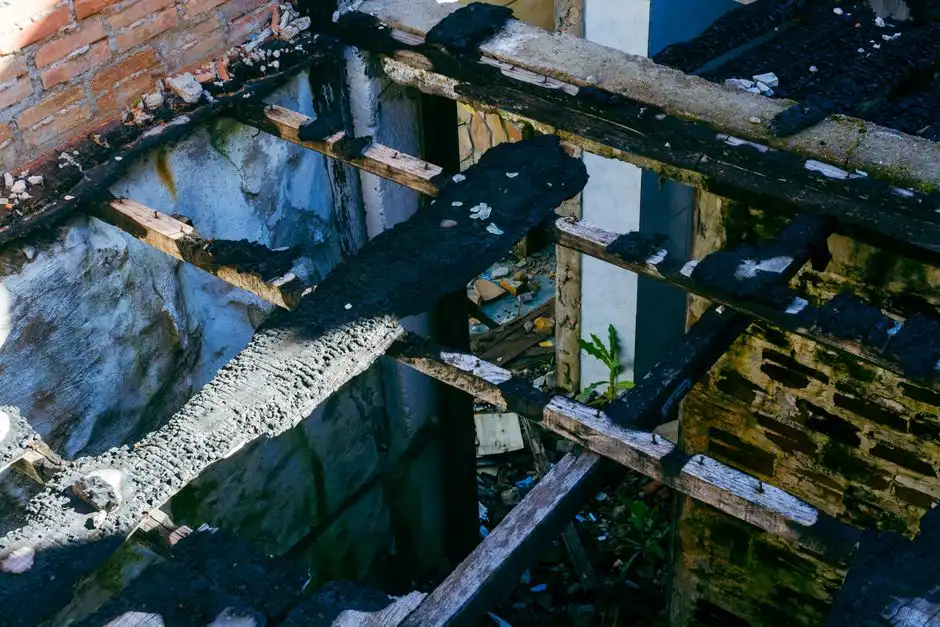
Water damage mitigation South Prairie WA is the emergency phase of a water loss - the work that stops the damage from spreading and gets your structure dry before rebuild starts. It means extracting standing water with a truck-mounted water extractor, mapping hidden moisture with a thermal imaging camera and moisture meter, then running air movers and dehumidifiers until your drywall, subflooring, and insulation hit dry standard. We follow ANSI/IICRC S500, the industry standard for water damage, and every job is documented for your insurance claim.
Most South Prairie calls we run come from burst pipe failures, slab leaks, roof leaks, toilet overflow, and appliance leak failures in older homes around Old Town South Prairie and Prairie Ridge. Winter freezes and fall rain push water into crawl spaces and basements, and mold growth after water damage can start in as little as 24 to 48 hours. If you're searching for water damage mitigation near me South Prairie, we're local, licensed, and on call around the clock.
Every mitigation job we run includes the full emergency phase - inspection, extraction, drying, disinfection, and documentation. Rebuild work like drywall replacement or flooring install is quoted separately so you know exactly what's mitigation and what's repair.
We use a moisture meter, hygrometer, thermal imaging camera, and bore scope camera to find water hiding behind baseboards, under subflooring, and inside wall cavities. You get a written scope with photos before we start extraction.
Truck-mounted extractors and extraction wands pull standing water out of carpet, pad, and subflooring fast. Most single-room losses extract in 45 to 90 minutes; a full basement takes 2 to 4 hours.
We apply antimicrobial solution and disinfectant to affected surfaces during extraction. This is standard on Category 2 and Category 3 losses - toilet overflow, sewage backup, and floodwater all require it to prevent mold growth after water damage.
Air movers and dehumidifiers are placed based on the ANSI/IICRC S500 calculation for the room's cubic footage and material class. Equipment runs 3 to 5 days on average, with daily moisture readings to confirm progress.
A technician checks moisture readings every day and logs them. You see the numbers trending toward dry standard, and your adjuster gets the same data in a format they can process without follow-up calls.
Photos, thermal images, moisture readings, and drying logs are compiled into an Xactimate-compatible report. We send it directly to your carrier and communicate with your adjuster so you're not stuck relaying information.
You call (833) 321-7153 and reach a live dispatcher, day or night. We ask what happened, when it started, and whether the water is still running. Within minutes a crew is rolling with extraction gear loaded. Most South Prairie addresses see us in 60 to 90 minutes.
We walk the loss with a moisture meter, hygrometer, thermal imaging camera, and bore scope camera to find water hiding behind baseboards, under subflooring, and inside wall cavities. You get a written scope with photos before we start - usually within 30 to 45 minutes on site.
Truck-mounted water extractors pull hundreds of gallons fast, then we finish edges and tight corners with an extraction wand and portable units. A typical flooded basement takes 2 to 4 hours to extract; a single-room toilet overflow takes 45 to 90 minutes.
We place air movers and dehumidifiers based on the ANSI/IICRC S500 calculation for the room's cubic footage and material class. Equipment runs 3 to 5 days on average, and we check moisture readings daily to confirm the structure is trending toward dry standard.
When readings match dry standard, we pull equipment, take final photos, and hand you a complete drying report for your insurer. If rebuild is needed - drywall, insulation, subflooring - we walk you through the next step and can schedule it on the spot.
Purpose-built equipment, used by trained technicians — so the job is done accurately the first time.
Finds hidden moisture behind walls, under floors, and in ceiling cavities without tearing anything open. We use it during the initial inspection and again at final verification.
Measures moisture content in drywall, subflooring, and framing, and tracks ambient humidity. Daily readings are how we prove the structure is trending toward dry standard.
Pulls hundreds of gallons of standing water fast from carpet, pad, and hard surfaces. It's the single biggest time-saver on a flooded basement or commercial loss.
High-velocity air movers evaporate moisture from surfaces so dehumidifiers can pull it out of the air. We size the count to the room, not to whatever fits in the van.
Low-grain refrigerant and desiccant dehumidifiers pull moisture out of the air and keep it from re-absorbing into drywall and framing. Essential on every structural dry-out.
Lets us see inside wall cavities and under cabinets without demolition. We use it to confirm the leak source and to verify the cavity is dry before closing up.
Finishes edges, corners, and tight spaces the truck mount can't reach. It's what gets the last of the water out of carpet seams and baseboard lines.
A supply line burst overnight in a 1950s home, soaking the kitchen, hallway, and part of the living room. Carpet was saturated, baseboards were wicking water, and the homeowner found standing water at 6 a.m.
We extracted 40 gallons in 90 minutes, pulled the carpet and pad, and dried the subfloor and framing in 4 days. Final moisture readings matched dry standard, and the insurance claim cleared on the first submission.
Three days of fall rain pushed water through a window well into a finished basement. Carpet was soaked, drywall was wicking water 12 inches up the wall, and humidity was above 70 percent.
We extracted standing water, removed 18 inches of saturated drywall, and ran air movers and dehumidifiers for 5 days. The basement hit dry standard, and no mold growth was detected at final inspection.
A toilet overflow on the second floor of a commercial unit sent contaminated water through the ceiling into the unit below. Both floors had soaked subflooring and the ceiling drywall was sagging.
We treated it as Category 3, extracted on both floors, removed saturated ceiling drywall, and applied antimicrobial solution to the framing. Both units dried in 4 days and were cleared for rebuild.
Most water losses we see in South Prairie fall into a handful of categories. Here's what each one looks like and what happens if you wait.
Ask a pro →We shut off the source, extract standing water, and dry the wall cavity with air movers and dehumidifiers. If drywall or insulation is saturated, we remove and replace it so the structure dries completely.
We locate the leak with a thermal imaging camera and moisture meter, extract any standing water, and dry the affected flooring and framing. We document the loss for your insurer and coordinate with a plumber to fix the source.
We treat it as contaminated water - full PPE, extraction, removal of porous materials, antimicrobial solution, and drying to ANSI/IICRC S500 standards. We verify with moisture readings before closing up.
We extract with truck-mounted units, set up air movers and dehumidifiers sized to the space, and monitor daily. We also check the foundation and floor drain for the source so it doesn't repeat.
Most residential mitigation jobs in South Prairie run $1,200 to $4,500 in 2026, depending on how much water, how far it spread, and what materials got wet. A single-room toilet overflow might land near $1,200; a flooded basement with contaminated water can exceed $6,000. Most homeowners pay only their deductible because we bill insurance directly.
Water damage prevention in South Prairie Washington is the work you do before a loss happens: insulating exposed pipes against winter freezes, testing sump pumps each fall, replacing washing machine supply hoses every 5 years, and knowing where your main shutoff valve is. We inspect for these risks after every mitigation job and flag anything that could cause the next leak.
Yes. We work with all major carriers and bill insurance directly on most claims. We document the loss in Xactimate format, photograph moisture readings, and send the drying report straight to your adjuster. You typically pay only your deductible, and we'll tell you upfront if any part of the work falls outside your policy.
Extraction usually takes 2 to 4 hours, and structural drying runs 3 to 5 days for most South Prairie homes. Larger losses with contaminated water or wet hardwood can stretch to 7 days. We check moisture readings daily and pull equipment the moment your structure hits dry standard - no padding the job.
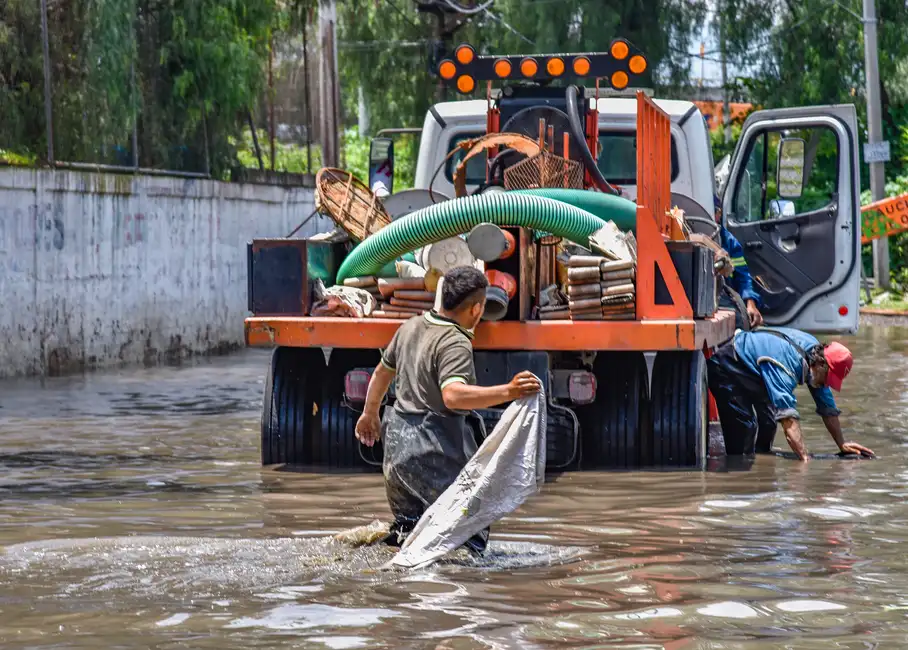 flood restoration servicesWhen storm runoff or a creek backup floods your South Prairie property, flood restoration services handle the full cleanup - extraction, disinfection, drying, and rebuild. We treat floodwater as Category 3 contaminated water, which means full PPE and antimicrobial treatment on every affected surface.Explore →
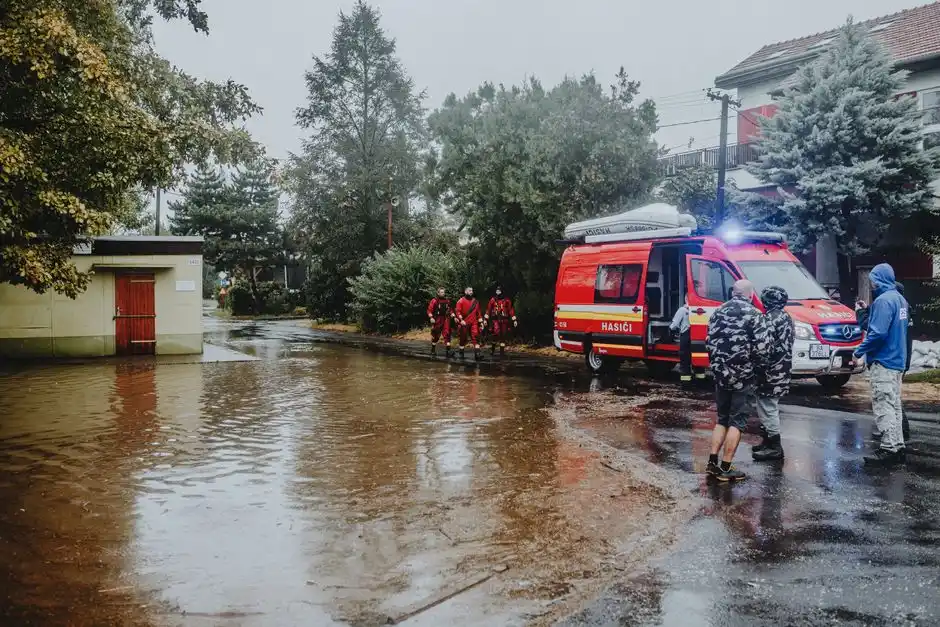 emergency water removalEmergency water removal is the first hour of mitigation: truck-mounted extraction that pulls standing water out of your floors before it wicks into walls. We run it 24/7 across South Prairie, so a 2 a.m. burst pipe doesn't turn into a 3-day flood.Explore →
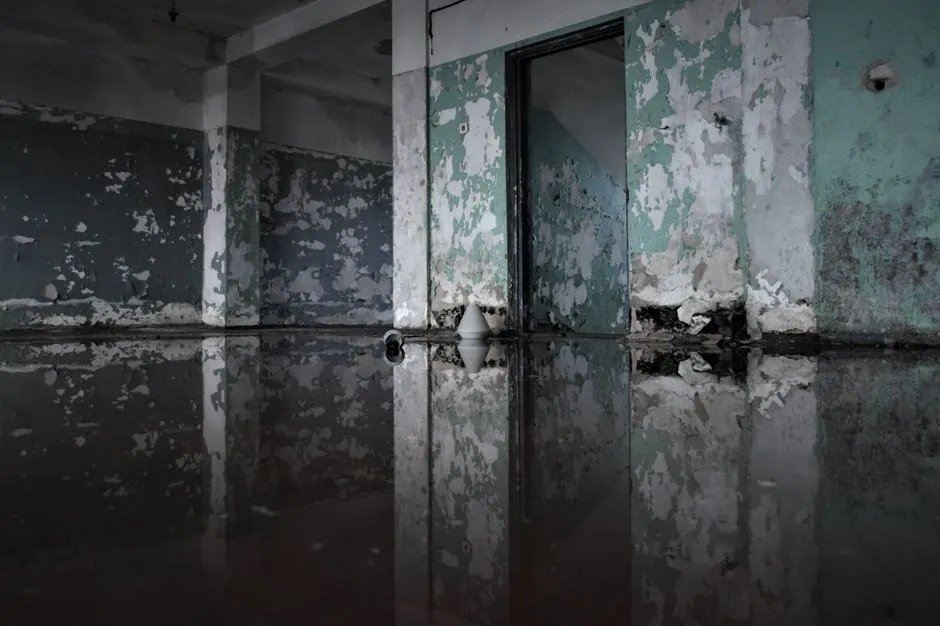 mold remediation after water damageIf water sat more than 48 hours, mold growth after water damage is likely. Our IICRC AMRT-certified techs build containment with polyethylene sheeting, remove affected drywall and insulation, and treat surfaces to ANSI/IICRC S520 standards so spores don't return.Explore →
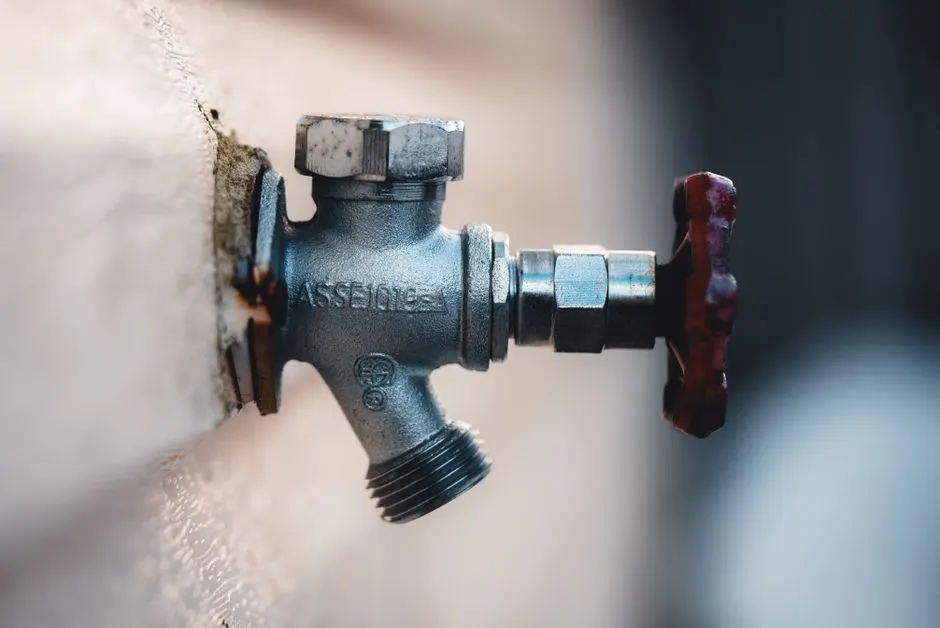 water leak restorationSlow leaks behind walls and under sinks cause more damage than most homeowners realize. Water leak restoration finds the source with a bore scope camera and moisture meter, dries the cavity, and repairs the affected drywall and subflooring before rot sets in.Explore →
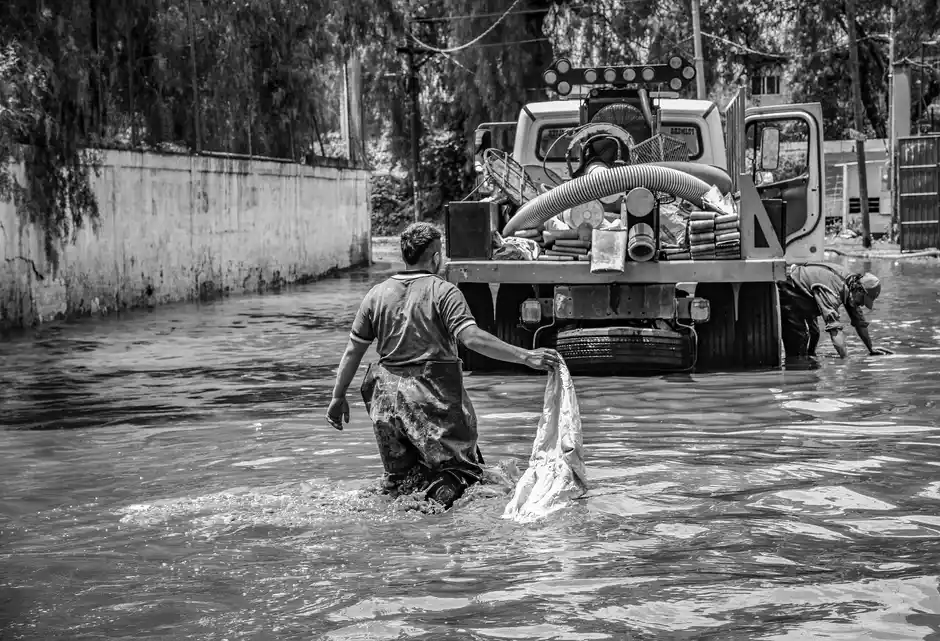 emergency water cleanupEmergency water cleanup covers the full package - extraction, disinfection with antimicrobial solution, drying, and deodorizing. We handle everything from a small appliance leak to a full basement flood, and we document every step for your insurance claim.Explore →
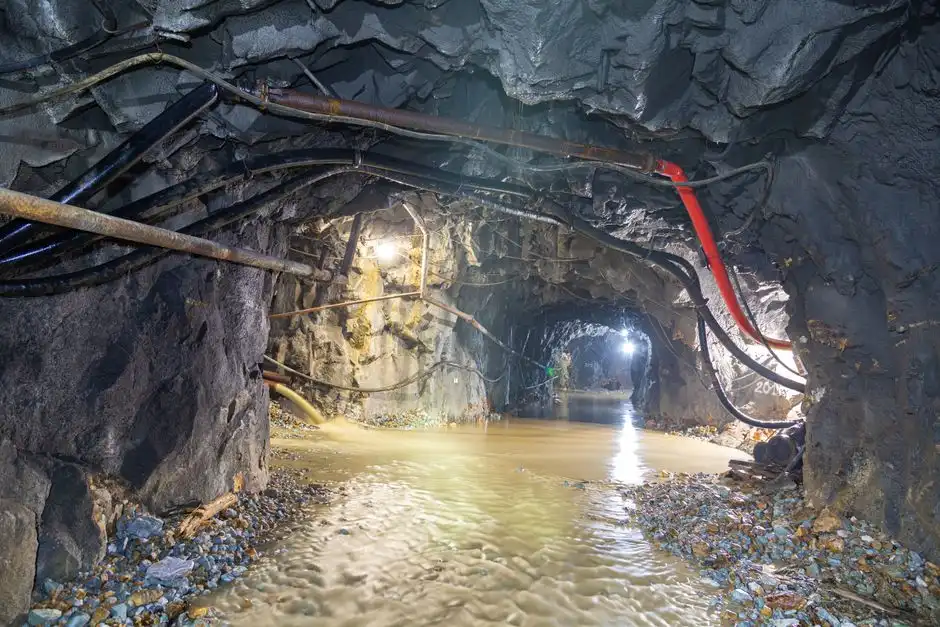 water extractionWater extraction is the heavy-lifting phase: truck-mounted extractors and extraction wands pulling hundreds of gallons out of carpet, pad, and subflooring. Fast extraction is the single biggest factor in whether your floors survive a water loss.Explore →
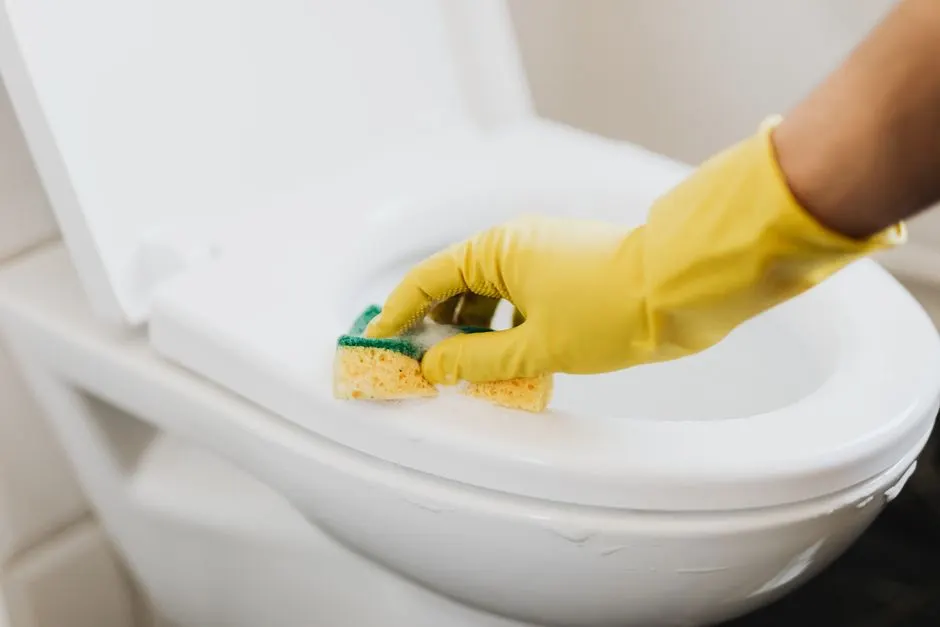 toilet overflow cleanupToilet overflow cleanup is treated as contaminated water, which means full disinfection, not just drying. We extract, apply antimicrobial solution, and dry the subfloor and framing so sewage bacteria doesn't linger in your bathroom or hallway.Explore →
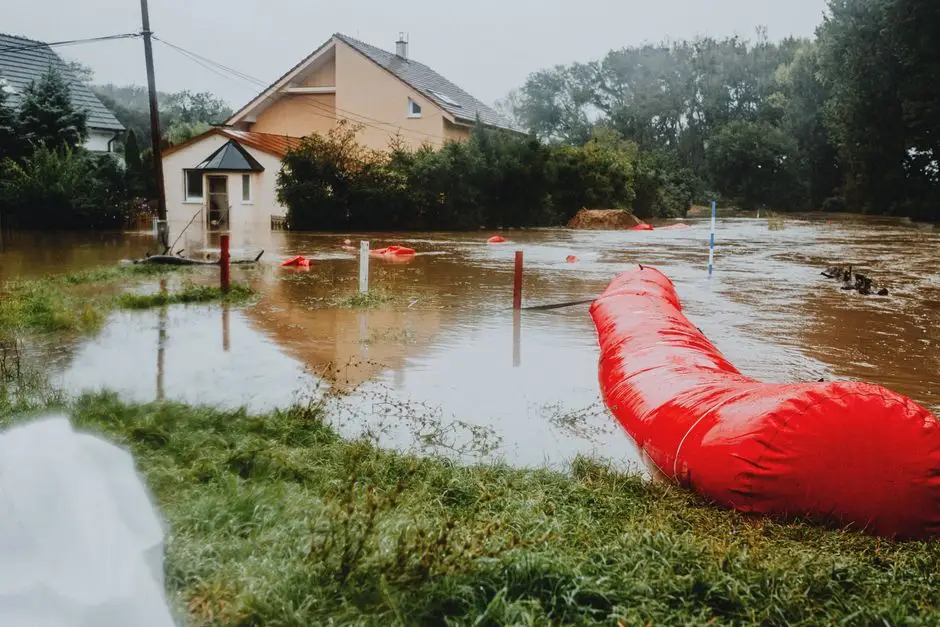 basement flood cleanupBasement flood cleanup in South Prairie often means dealing with water that's seeped through foundation walls or backed up from a floor drain. We extract, dry, and check for hidden moisture in the slab and framing before mold has a chance to start.Explore →
Every hour water sits, the damage gets more expensive. Call (833) 321-7153 and a live dispatcher sends a certified crew to your door - usually within 60 to 90 minutes. We bill insurance directly and document everything for your claim.
Call Now (833) 321-7153 →Call us anytime at (833) 321-7153 for emergency service or to schedule a free assessment. We're available 24/7 for water damage emergencies in South Prairie and throughout Pierce County. You can also email us at info@waterdamagerestorationsouthprairie.com. We respond to all inquiries within one hour during business hours.