Extraction, drying, and mold removal South Prairie homeowners can trust

Mold remediation after water damage South Prairie WA done right the first time

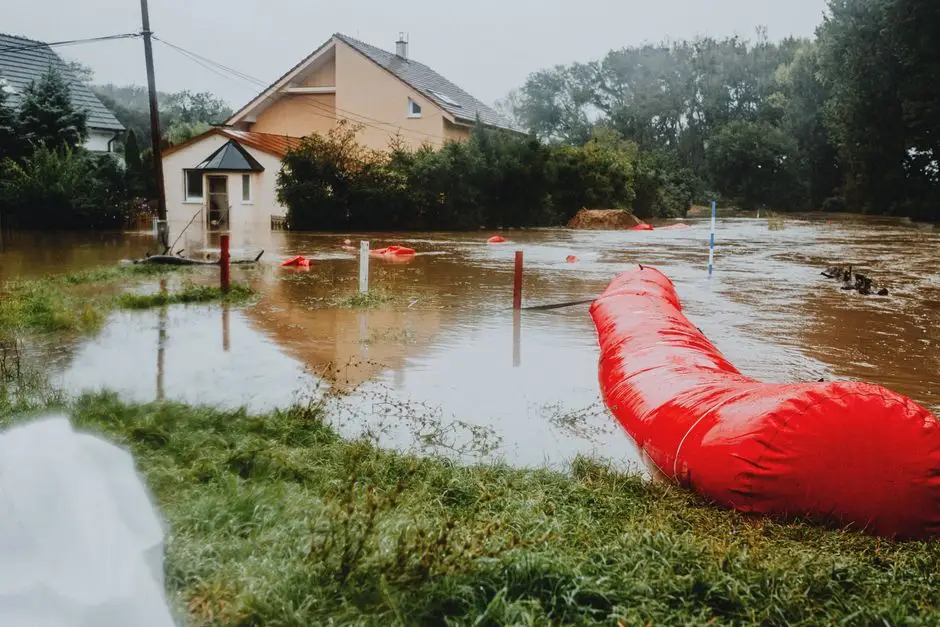
When a burst pipe, toilet overflow, or roof leak soaks your home, mold can start colonizing porous materials in 24 to 48 hours. Our mold remediation after water damage South Prairie WA crew pulls the standing water, dries the structure, and removes contaminated material before spores spread. We handle crawl spaces, attics, basements, and kitchens across South Prairie, WA, and we work directly with your insurance claim.

↗
Fast online booking

Request service today

Tell us what is happening. Our local team will confirm your visit shortly.

No spam. No obligation. Just practical help.
Thanks — we'll call shortly to confirm your visit.
mold remediation after water damage by Water Damage Restoration South Prairie
Careful work. Honest options.
About this service

What mold remediation after water damage South Prairie WA involves

Mold remediation after water damage South Prairie WA is a staged cleanup that removes standing water, dries the structure to verified moisture levels, and physically removes mold colonies from affected materials. We start with a moisture meter and thermal imaging camera to map where water traveled behind drywall, under subflooring, and into insulation. Then we extract, dry, and treat. Skipping any stage leaves hidden moisture that regrows mold within weeks.

Most South Prairie calls we run come from a burst pipe, appliance leak, or basement flooding after heavy fall rain. Prairie-area homes sit on clay-heavy soil that drains slowly, so water wicks into crawl spaces and stays there. If you search mold removal services near me South Prairie after a leak, the clock matters: mold growth after water damage can begin in under two days, and black mold remediation South Prairie WA gets more expensive the longer it sits.

  • ✓ Verified dry, not just dry-looking
  • ✓ Containment that stops cross-contamination
  • ✓ Insurance paperwork handled
  • ✓ Same-day response, 24/7
What's included

What our mold remediation service includes

Every job includes assessment, extraction, drying, mold removal, and documentation. What changes is the scope: how much material is affected and whether reconstruction is needed. Here is what is standard on a South Prairie mold job.

✓

Moisture mapping and assessment

We walk the affected area with a moisture meter, thermal imaging camera, and hygrometer to find where water traveled. You get a written scope and price before we start work. No surprise line items later.

✓

Water extraction and drying

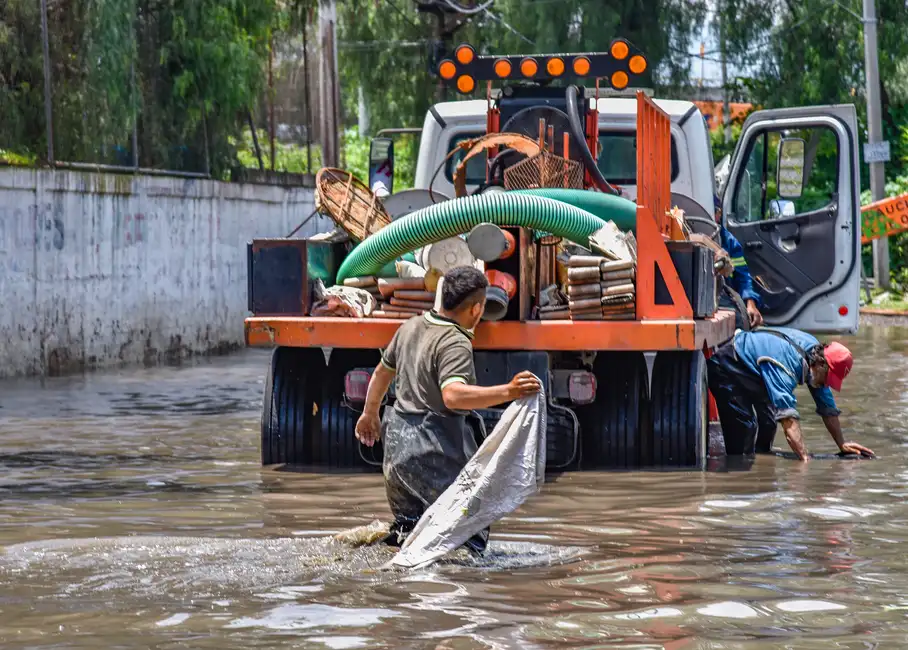
Truck-mounted extraction removes standing water, then air movers and dehumidifiers dry the structure. We track readings daily and adjust equipment placement. Drying typically runs three to five days depending on saturation.

✓

Containment and mold removal

We seal the work zone with polyethylene sheeting and negative air pressure, then remove mold-damaged drywall, insulation, and subflooring. Remaining framing is HEPA-vacuumed and treated with antimicrobial solution per ANSI/IICRC S520.

✓

Antimicrobial treatment and sealing

After removal, we treat exposed framing and surfaces with antimicrobial solution, then seal what stays. This is the step that keeps spores from regrowing once the area dries. We document the treatment in your file.

✓

Insurance documentation

Photos, moisture maps, and Xactimate line items go into a package your adjuster can use. We can bill your carrier directly on covered losses. You pay your deductible, and we tell you what that looks like upfront.

✓

Final clearance check

Before we hand off to rebuild, we verify moisture readings and do a visual inspection of the treated area. You get the documentation. If readings are not where they need to be, we keep drying rather than closing up wet material.

How it works

How our mold remediation process works

01

Emergency call and assessment

You call (833) 321-7153 and describe what happened. We ask about the source, how long it has been wet, and whether sewage is involved. A technician arrives, walks the affected area with a moisture meter and thermal imaging camera, and identifies the full extent of the water. You get a clear scope and price before we start.

02

Water extraction

We pull standing water with a truck-mounted water extractor and an extraction wand, then use a bore scope camera to check wall cavities and subflooring for trapped water. For a toilet overflow or sewage backup, we treat the area with an antimicrobial solution before extraction. Most residential extraction takes two to four hours.

03

Structural drying

We set air movers and dehumidifiers to dry the structure, and add desiccant units when humidity is high. A hygrometer tracks moisture content daily. Depending on saturation, drying runs three to five days. We adjust equipment placement each visit rather than leaving it and hoping.

04

Mold removal and treatment

Once the structure is dry, we remove mold-damaged drywall, insulation, and subflooring that cannot be saved. Remaining framing is HEPA-vacuumed, treated with antimicrobial solution, and sealed. We follow ANSI/IICRC S520 mold remediation standards and contain the work zone throughout.

05

Clearance and rebuild

We do a final moisture and visual check, then hand off to reconstruction. Drywall, insulation, and paint go back in, and we test the repaired area. You get documentation of the readings and the scope, plus a workmanship warranty on the remediation. Most full jobs run seven to fourteen days.
Tools & methods

Tools and methods we use on mold jobs

Purpose-built equipment, used by trained technicians — so the job is done accurately the first time.

Moisture meter and hygrometer

We use these to measure moisture content in drywall, subflooring, and framing, and to track relative humidity in the work zone. Readings are logged daily until materials hit target dryness.

Thermal imaging camera

Thermal imaging shows temperature differences that reveal hidden moisture behind walls and under floors. It is how we find water that a visual inspection would miss.

Bore scope camera

We use a bore scope to look inside wall cavities and under subflooring without tearing everything open. It confirms whether a cavity is wet or moldy before we decide to remove material.

Truck-mounted water extractor and extraction wand

These pull standing water from carpet, pad, and hard flooring far faster than portable units. On a flooded basement, that speed is what limits how much material has to be replaced.

Dri-Eaz and Phoenix air movers and dehumidifiers

We set air movers to evaporate moisture and dehumidifiers to pull it from the air. Desiccant units go in when humidity is high. Placement is adjusted each visit based on readings.

Polyethylene sheeting and negative air pressure

Containment keeps spores from spreading to clean rooms during removal. We seal the work zone and maintain negative pressure so air flows in, not out.

Antimicrobial solution and disinfectant

We treat exposed framing and surfaces after removal to stop regrowth. On sewage or contaminated water jobs, disinfection happens before drying, not after.

Real results

Before and after.

Kitchen supply line leak in Prairie Ridge

Before

A fridge supply line leaked overnight and soaked the kitchen floor, cabinet base, and part of the hallway carpet. The homeowner found standing water in the morning. Mold had started on the cabinet base and the subflooring beneath the vinyl.

After

We extracted the water, pulled the wet vinyl and a section of subflooring, treated the framing with antimicrobial solution, and dried the structure in four days. The kitchen was rebuilt in ten days, with moisture readings documented at every stage.

Basement flood in South Prairie Valley

Before

Heavy fall rain overwhelmed a sump pump, and the basement took on about two inches of water. It sat for three days before the homeowner called. Drywall at the base was wet, and mold was visible along the bottom plate.

After

We pumped and extracted, removed the lower two feet of drywall, treated the framing, and dried the space in five days. The sump pump was replaced, and the basement was rebuilt with mold-resistant drywall at the base.

Attic mold after roof leak in Old Town South Prairie

Before

A roof leak soaked attic insulation for weeks before a ceiling stain appeared. The sheathing had visible mold growth, and the insulation was saturated. The homeowner was worried the whole roof deck would need replacing.

After

We removed the wet insulation, treated the sheathing and framing with antimicrobial solution, and dried the attic in three days. The roof was repaired, and only two sections of sheathing needed replacement. The ceiling below was checked and found dry.

Problems we solve

Problems we solve for South Prairie homeowners

Mold after water damage shows up in predictable ways. Here are the ones we see most in South Prairie, and what happens if they are left alone.

Ask a pro →
01

Musty smell that will not go away after a leak

We use a thermal imaging camera and bore scope camera to find the hidden moisture, then remove and treat the affected material. Once the source is dry and treated, the smell goes with it. We verify with moisture readings before we close anything up.

↗
02

Ceiling stain that keeps coming back after painting

We open the ceiling cavity, dry the framing, and treat any mold before patching. If the drywall is contaminated, it comes out. Then we repair and repaint. Doing it in the right order is why the stain does not return.

↗
03

Crawl space mold from slow foundation seepage

We remove contaminated insulation, treat joists and subflooring with antimicrobial solution, and dry the space. We also identify the moisture source, whether that is grading, a downspout, or a foundation crack, so the mold does not come back.

↗
04

Sewage backup that was cleaned but still smells

We treat sewage backups as contaminated water: remove affected material, disinfect with antimicrobial solution, and dry to verified levels. That is the difference between a clean space and one that smells clean for a week.

↗
Proof you can check

Licensed, certified, and documented

✓
IICRC WRT (Water Restoration Technician)IICRC
✓
IICRC ASD (Applied Structural Drying)IICRC
✓
IICRC AMRT (Applied Microbial Remediation Technician)IICRC
✓
EPA Lead-Safe CertifiedU.S. EPA
✓
WA State Contractor LicenseWashington State Department of Labor & Industries
Good questions

Questions South Prairie homeowners ask us

(833) 321-7153 →

Most residential jobs in South Prairie run $1,200 to $6,500 in 2026, depending on square footage, how many materials are contaminated, and whether containment is needed. A small bathroom with a toilet overflow is at the low end. A flooded basement with mold in drywall, insulation, and subflooring sits at the high end. We give you a written scope and price before work starts.

Plan on seven to fourteen days for a typical job. Extraction and drying take three to five days, mold removal and treatment add two to four, and reconstruction adds a few more. Small contained jobs can finish in four to five days. We track moisture daily and do not rush the dry-out, because drying too fast traps moisture and regrows mold.

Disturbing mold without containment releases spores into the air, which is the real hazard, not the mold sitting still. That is why we seal work zones with polyethylene sheeting and run negative air pressure. Our technicians wear PPE, and we HEPA-vacuum and treat surfaces before removal. If you have respiratory conditions, stay out of the work zone until we clear it.

Yes, in most cases. Sudden and accidental water damage, like a burst pipe or appliance failure, is usually covered. Long-term neglect or gradual leaks often are not. We document with photos, moisture maps, and Xactimate line items, and we can bill your carrier directly. We will tell you upfront what your deductible looks like.

Ready when you are

Call now for mold remediation after water damage South Prairie WA

Mold grows fast, and every day you wait, more material has to come out. We answer 24/7, we are licensed and insured in Washington, and we document everything for your insurance claim. Call (833) 321-7153 and we will tell you what your job needs.

Get a free estimate (833) 321-7153 →
Request an appointment

Contact Water Damage Restoration South Prairie

Call us anytime at (833) 321-7153 for emergency service or to schedule a free assessment. We're available 24/7 for water damage emergencies in South Prairie and throughout Pierce County. You can also email us at info@waterdamagerestorationsouthprairie.com. We respond to all inquiries within one hour during business hours.

Request received — our team will be in touch shortly.
Tap to call(833) 321-7153