Sump pump fails during a winter storm
We extract the standing water, pull saturated carpet and pad, and dry the slab and framing. We also check the pit and discharge line so you know whether the pump needs replacement before the next storm.
When your basement floods, every hour counts. Our basement flood cleanup South Prairie WA team pulls standing water, dries the structure, and stops mold before it starts. We work flooded basements across Pierce County, from burst pipes and failed sump pumps to sewage backups and heavy rain. Call (833) 321-7153 and we roll a truck to your door.
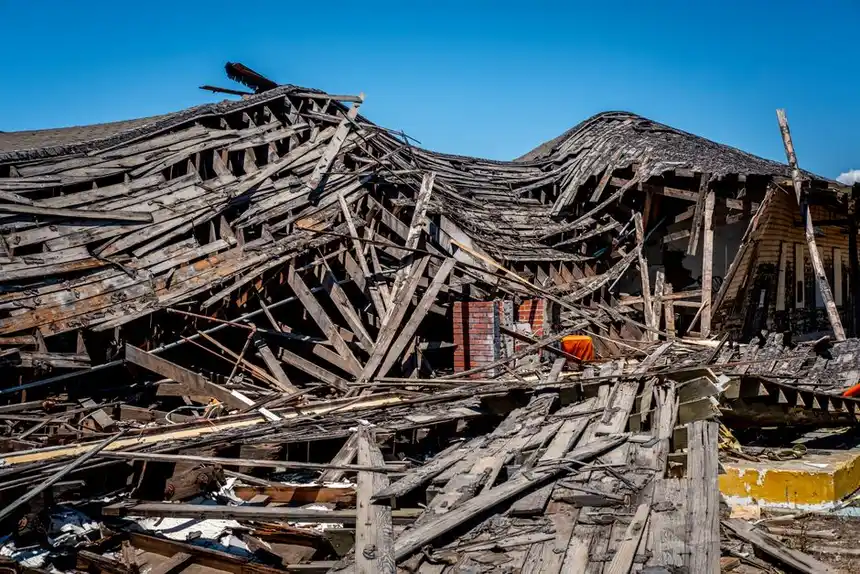
Basement flood cleanup South Prairie WA is the process of removing standing water, extracting what is trapped in carpet and concrete, and drying the structure back to safe moisture levels. It is not a shop vac job. We start with a moisture meter and a thermal imaging camera to map how far the water traveled, then run a truck-mounted water extractor and an extraction wand across every wet surface. Air movers and dehumidifiers finish the job over two to five days, and we seal the space with an antimicrobial solution so mold never gets a foothold.
South Prairie sits in Pierce County where winter rain, freeze-thaw cycles, and aging drain tile push water into basements fast. A failed sump pump at 2 a.m. or a burst pipe behind the laundry wall can leave four inches of water before you wake up. That is why homeowners search for basement water removal South Prairie and flooded basement cleanup South Prairie Washington at the same time. We answer both calls with the same crew and the same truck.
Every basement flood cleanup South Prairie WA job we run includes the full scope below. If your situation needs something outside this list, like full rebuild or structural repair, we will tell you upfront and connect you with the right trade.
Truck-mounted water extractor and extraction wand pull standing water from carpet, concrete, and subflooring. We hit every corner, including under stairs and behind appliances, before we set drying equipment.
Moisture meter, thermal imaging camera, and hygrometer readings logged twice daily. You get the numbers, not just a promise that it is dry. We do not pull equipment until the structure hits dry standard.
Antimicrobial solution and disinfectant applied to every affected surface after extraction. This is what stops mold growth after water damage before it starts, especially in the humid weeks after a winter flood.
Saturated carpet, pad, insulation, and unsalvageable drywall get cut out and hauled away. We bag and dispose of everything per Washington state guidelines, including Category 3 sewage waste.
Photos, moisture logs, and an Xactimate-formatted scope delivered to you and your adjuster. This is the paperwork that gets your claim approved faster and keeps the numbers honest.
We walk the basement with you, show you the final readings, and explain what to watch for over the next 30 days. If anything looks off after we leave, you call us and we come back.
You call (833) 321-7153 and we ask three questions: how deep is the water, is it clean or sewage, and is the power off. That tells us what truck to send and what safety gear the crew needs. We give you a straight arrival window and stick to it.
On arrival we run a moisture meter and thermal imaging camera across the floor, walls, and ceiling. A bore scope camera checks inside wall cavities where water hides. This takes 20 to 40 minutes and tells us exactly how far the water traveled before we cut or dry anything.
We run a truck-mounted water extractor and extraction wand across the floor, then pull saturated carpet, pad, and any unsalvageable drywall. Sewage backups get extra containment with polyethylene sheeting before we touch anything. Most extractions take two to four hours.
We set Dri-Eaz and Phoenix Restoration Equipment air movers and dehumidifiers in a pattern matched to the room. A hygrometer logs readings twice a day for two to five days. We do not pull equipment until the basement hits dry standard on paper.
Final step is an antimicrobial solution and disinfectant on every affected surface, plus a desiccant treatment in tight spaces. We walk you through the readings, hand over the documentation, and leave the basement ready for rebuild or normal use.
Purpose-built equipment, used by trained technicians — so the job is done accurately the first time.
Pulls 50 to 100 gallons of standing water per hour on most jobs. This is the workhorse for any basement with more than a puddle.
Reaches carpet, pad, and low spots a truck mount alone cannot. We run it across every square foot before setting drying equipment.
Shows us where water traveled inside walls and under floors without cutting anything open. This is how we find hidden moisture fast.
Gives us hard numbers on moisture content in wood, drywall, and concrete. We log readings twice daily until the structure hits dry standard.
Lets us look inside wall cavities and under subflooring without demolition. We use it to confirm whether a cavity is wet before we cut.
Dri-Eaz and Phoenix Restoration Equipment units move air and pull moisture out of the space. Placement is matched to the room, not just scattered around.
Handles tight spots a truck mount cannot reach, like under stairs, inside cabinets, and behind appliances.
A failed sump pump left three inches of water across a 700 square foot finished basement. Carpet, pad, and the bottom two feet of drywall were saturated, and the homeowner found it six hours after it started.
We extracted 80 gallons in the first hour, cut out the wet drywall, and ran air movers and dehumidifiers for four days. Final moisture readings came back at dry standard, and the homeowner only needed to replace carpet and baseboards.
A supply line burst behind the laundry wall overnight. Water traveled along the framing and pooled under the vinyl floor, and the homeowner only noticed when the floor started to buckle two days later.
Thermal imaging found moisture eight feet from the visible leak. We dried the wall cavity and subfloor over five days, treated with antimicrobial solution, and handed the homeowner a documented scope for the plumber and the insurance claim.
A storm overwhelmed the municipal line and sewage backed up into a rental basement. The tenant called the property manager, who called us within the hour. Category 3 water covered 400 square feet.
We contained the area with polyethylene sheeting, removed all affected porous material in full PPE, and disinfected every surface with antimicrobial solution. Drying ran three days, and the unit passed clearance before the next tenant moved in.
Most flooded basements fall into a handful of categories. Here are the ones we see most often in South Prairie and how we handle each one.
Ask a pro →We extract the standing water, pull saturated carpet and pad, and dry the slab and framing. We also check the pit and discharge line so you know whether the pump needs replacement before the next storm.
We use a thermal imaging camera and bore scope camera to trace the water path, then dry the cavity with air movers and a desiccant where needed. We flag the pipe location so your plumber can repair it fast.
We contain the area with polyethylene sheeting, suit up in full PPE, and remove all affected porous material. Then we disinfect with antimicrobial solution and document the loss for your insurance claim.
We trace the leak with a moisture meter, dry the affected cavity, and remove any insulation that has lost its R-value. We tell you what to have a roofer or foundation specialist check so it does not happen again.
Most basement flood cleanup jobs in South Prairie run $1,200 to $4,500 in 2026, depending on water depth, square footage, and whether the water was clean or sewage. A small clean-water extraction with two days of drying sits near the low end. Sewage backups, cut drywall, and crawl space work push toward the top. We give you a written scope before we start, and we bill insurance directly when your policy covers the loss.
Extraction itself takes two to four hours on a typical 500 to 800 square foot basement. Full drying runs two to five days, and we check moisture readings twice a day until the structure hits dry standard. Concrete slab basements in South Prairie often take the full five days because concrete holds water longer than wood subflooring. You get a daily update so you know exactly where the job stands.
Yes. We document every job with photos, moisture logs, and an Xactimate-formatted scope that most major carriers accept. We can bill your insurer directly or work with your adjuster on a reimbursement basis. Sudden losses like a burst pipe or appliance leak are usually covered. Long-term seepage and neglected maintenance often are not, and we will tell you straight which category your loss falls into.
The four most common causes we see in South Prairie are failed sump pumps, burst pipes during freeze-thaw cycles, sewage backup from overloaded municipal lines, and roof or foundation leaks after heavy rain. Older homes in Old Town South Prairie also deal with cracked drain tile that lets groundwater in during wet winters. If we cannot find the source during cleanup, we tell you what to have a plumber or foundation specialist check next.
 flood restoration servicesWhen a basement flood is part of a larger event, like a storm surge or a failed main line, we run full flood restoration services across the whole home. Same crew, same equipment, one scope.Explore →
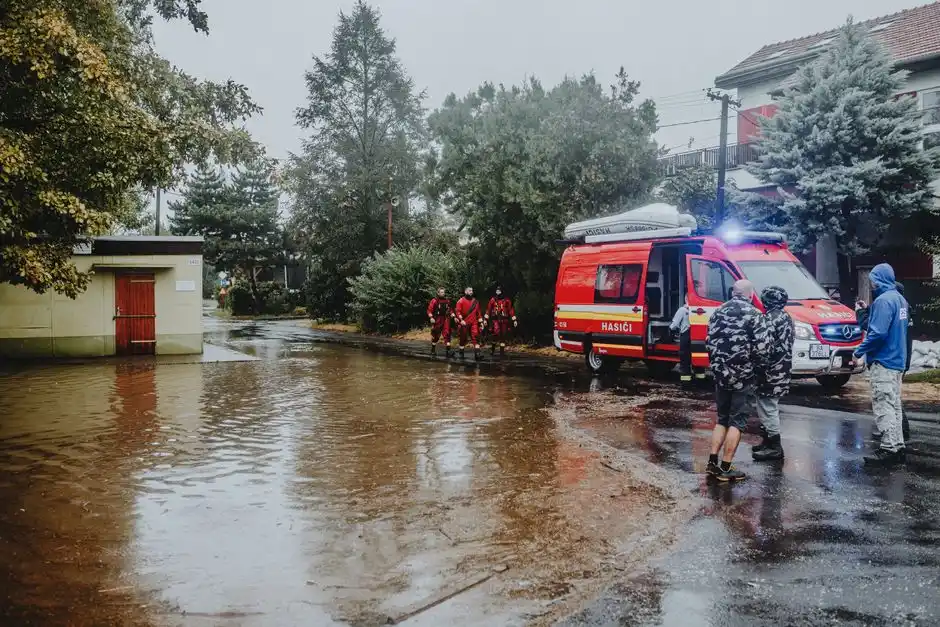 emergency water removalStanding water needs to come out fast. Our emergency water removal crews run 24/7 and pair with basement flood cleanup South Prairie jobs when the water is still rising.Explore →
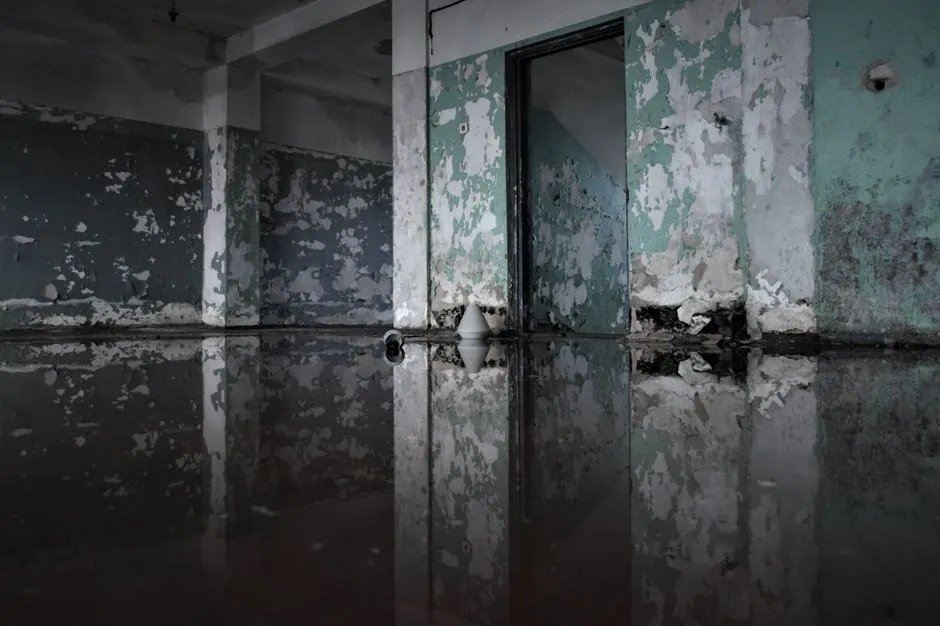 mold remediation after water damageIf mold has already started in your basement, we handle mold remediation after water damage with containment, HEPA filtration, and ANSI/IICRC S520 protocols. We do not dry over active mold.Explore →
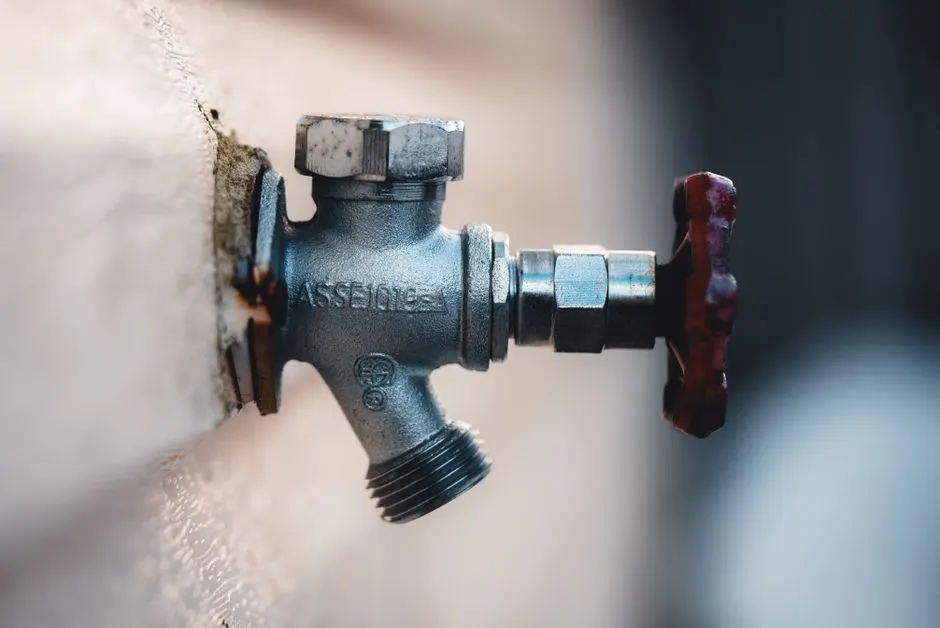 water leak restorationA slow leak behind a wall can rot framing for months before you notice. Our water leak restoration service traces the source, dries the cavity, and repairs what the moisture damaged.Explore →
 emergency water cleanupFor smaller spills that still need professional attention, emergency water cleanup covers extraction, drying, and sanitizing without the full basement scope.Explore →
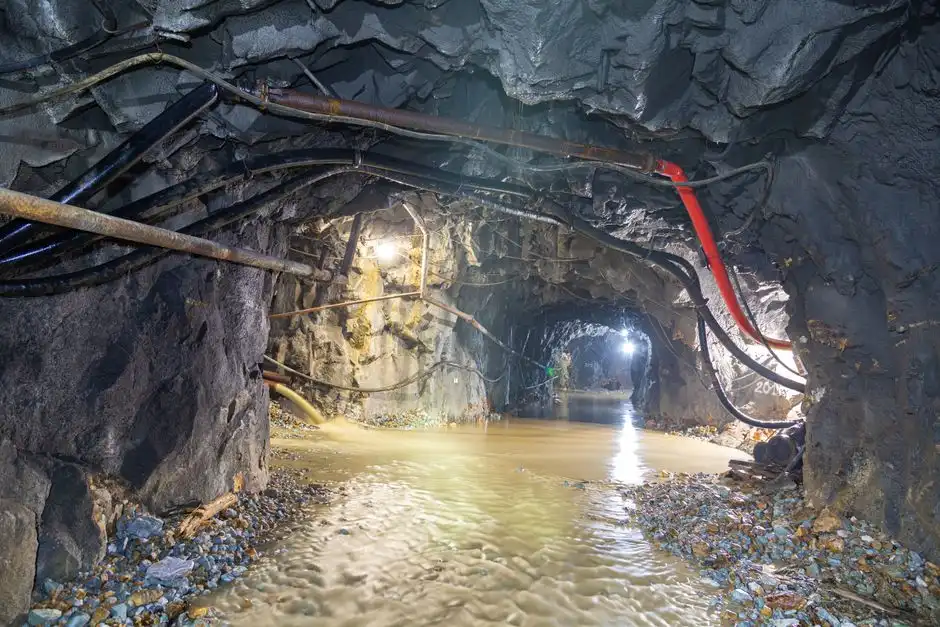 water extractionSometimes you just need the water gone. Our water extraction service pulls standing water with a truck-mounted unit and leaves the drying setup to you or your contractor.Explore →
 water damage mitigationMitigation is what stops a small leak from becoming a full rebuild. We handle water damage mitigation in South Prairie homes before secondary damage sets in.Explore →
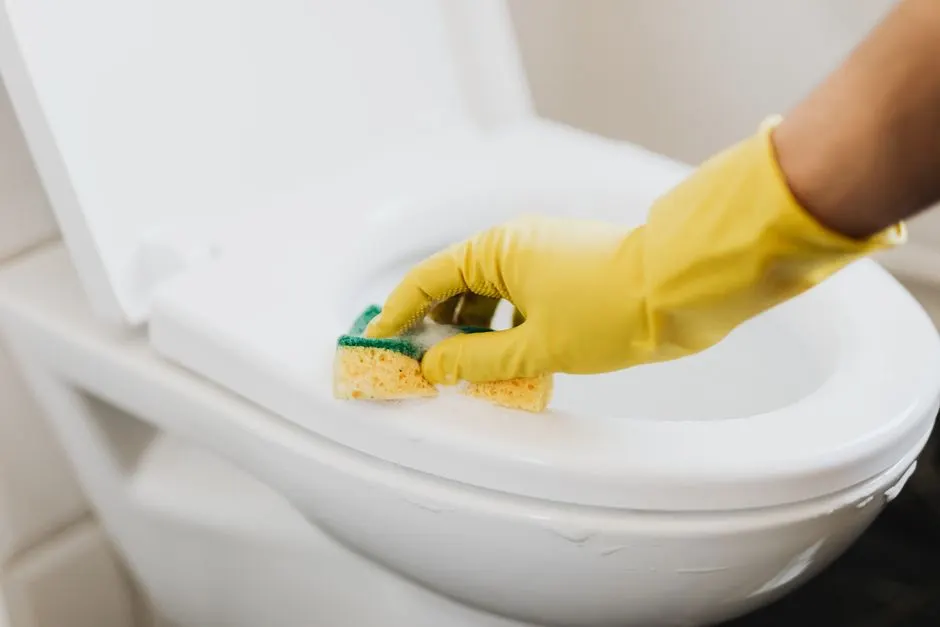 toilet overflow cleanupA toilet overflow is a Category 2 or 3 water loss depending on the source. We handle toilet overflow cleanup with full containment and disinfection, not just a mop and a fan.Explore →
We are licensed, insured, and IICRC-certified, and we run 24/7 dispatch out of South Prairie. One call gets a crew, a truck, and a drying plan headed your way. Call (833) 321-7153 and we will get the water out today.
Call now (833) 321-7153 →Call us anytime at (833) 321-7153 for emergency service or to schedule a free assessment. We're available 24/7 for water damage emergencies in South Prairie and throughout Pierce County. You can also email us at info@waterdamagerestorationsouthprairie.com. We respond to all inquiries within one hour during business hours.