Why is my ceiling leaking water and what to do first
A ceiling leak in South Prairie usually comes from a roof penetration, a supply line, or a backed-up drain. Here is what to do in the first ten minutes.
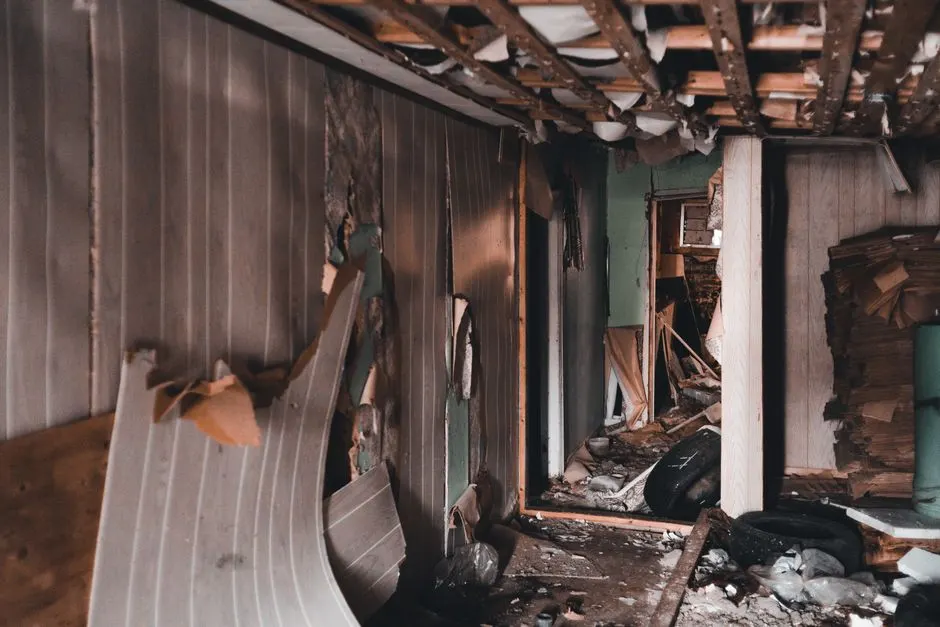
Your ceiling is leaking because water is getting into the assembly from above - most often a failed roof flashing, a cracked supply line, a backed-up drain pan, or a condensate line that has clogged. The first thing to do is kill the water source if you can reach it, then contain the drip and get the wet material dried before mold sets in.
We run calls on this every week across South Prairie, and the pattern is almost always the same: the stain on the drywall is the last symptom, not the first problem. Below we walk through the likely causes, the first ten minutes of damage control, how to trace the source, and what ceiling leak repair actually costs in 2026.
The short answer: why your ceiling is leaking
A ceiling leak in South Prairie is water escaping from a plumbing line, roof penetration, or appliance above the ceiling plane that finds the lowest point in the drywall and drips through. Ceiling leak troubleshooting starts by asking one question: is the drip steady or only during rain?
Steady drip, any weather - that is a pressurized supply line, a drain line, or an appliance. Intermittent drip that shows up only during or right after rain - that is the roof, a vent boot, a chimney flashing, or a skylight curb.
Here in South Prairie we sit in a marine climate with roughly 40 inches of rain a year, most of it between October and April. That long wet season is hard on roof penetrations, and it is why we see more roof-origin ceiling leaks between November and March than any other cause.
The five causes we find most often
- Roof flashing and vent boots. The rubber collar around a plumbing vent cracks after 10-15 years. Water tracks down the pipe and shows up on the ceiling below.
- Supply line failures. A pinhole in a copper line or a failed braided connector under a bathroom or laundry room releases water 24/7 until someone shuts the valve.
- Drain leaks. A loose tub shoe, a cracked shower pan, or a failed wax ring drips only when that fixture is used.
- HVAC condensate. A clogged condensate drain pan overflows into the ceiling cavity, usually in summer when the AC runs hardest.
- Ice dams and wind-driven rain. Less common in South Prairie than in the mountains, but a cold snap after a wet storm can push water under shingles.
What to do first when your ceiling leaks in South Prairie Washington
What to do when a ceiling leaks in South Prairie WA comes down to five moves in the first ten minutes, in this order.
- Kill the water. If the drip is under a bathroom, laundry, or kitchen, shut the fixture supply valve. If you cannot isolate it, shut the main at the meter.
- Cut the power to that room. Water and live ceiling fixtures do not mix. Trip the breaker for the affected area before you touch anything.
- Contain the drip. A 5-gallon bucket with a towel in the bottom kills the splash noise and catches the water. Move furniture and electronics clear.
- Relieve the bulge. If the drywall is ballooning, poke a small hole at the low point with a screwdriver to let the water drain in a controlled way instead of collapsing on its own.
- Call for help. Ceiling leak emergency calls get faster results than waiting to see if it stops.
If the water is coming through a light fixture, do not turn that light on. We have seen a ceiling can fill with two gallons of water and short the whole circuit the moment someone flipped the switch.
Once the immediate drip is controlled, our team handles the rest - emergency water removal South Prairie WA pulls the standing water out of the ceiling cavity and any insulation that has gone soggy, usually within the first hour on site.
How do I find the source of a ceiling leak in South Prairie WA?
You find the source of a ceiling leak in South Prairie WA by matching the drip pattern to the fixture or roof feature directly above it, then confirming with a moisture meter. Water almost never drips straight down from where it enters - it follows the framing.
Here is the method we use on every call.
- Map the drip to the floor plan. Stand in the room and look straight up. What is above that spot - a bathroom, the attic, a valley in the roof?
- Run one fixture at a time. Fill the tub, then drain it. Run the shower. Flush the toilet. Watch the drip rate change.
- Check during rain. If the drip only appears in wet weather, get into the attic with a flashlight during the next storm and look for a wet trail on the rafters.
- Use a moisture meter. A $40 pin meter tells you how far the wet zone spreads, which is how you find the true origin instead of the drip point.
In older South Prairie homes we often find the leak 6 to 10 feet from where the stain shows up. Water runs along a joist, hits a nail, and drops. That is why chasing the stain alone wastes time.
If you are not comfortable in the attic or under the house, that is fine - most of our customers are not. We trace the source, document it with photos, and hand you a clear picture of what failed and why.
Ceiling leak from roof or pipe in South Prairie Washington
Telling a ceiling leak from a roof or pipe in South Prairie Washington apart takes about two minutes and saves you from paying the wrong trade to fix it.
Roof leaks follow weather. They show up during rain, stop when the storm passes, and often leave a brown ring that grows outward. Pipe leaks do not care about the weather. They drip on a schedule tied to fixture use, or they drip constantly if the line is pressurized.
One more tell: pipe leaks usually smell. A slow drain leak under a bathroom carries soap scum and organic matter, and the ceiling cavity will smell musty within 48 hours. Roof leaks smell like wet wood and attic dust.
If the source turns out to be a plumbing line, the fix is a two-part job - stop the leak, then dry the structure. We handle the second half with water leak restoration South Prairie WA, which includes thermal imaging to confirm the cavity is dry before we close it up.
What ceiling water damage looks like after 24 hours
Ceiling water damage in South Prairie WA moves fast. Drywall is a sponge - a 2x2 foot section can hold a gallon of water and still look almost normal from below.
Here is the timeline we see.
- 0-2 hours: Stain appears. Paint may bubble. Insulation above is saturated.
- 24 hours: Drywall sags. Metal corner bead starts to rust. Musty odor begins.
- 48-72 hours: Mold colonies can begin on wet paper facing and wood framing. This is the window that matters most.
- 1 week: Structural sag, delaminated drywall, and in bad cases, a ceiling collapse.
That 48-72 hour mold window is why we push hard on drying the same day. Once mold takes hold in a ceiling cavity, cleanup becomes a bigger job - mold remediation after water damage South Prairie WA involves containment, HEPA filtration, and often removing and replacing the affected drywall.
If the leak has been slow for weeks - the kind that only shows a faint ring - assume mold is already present and treat it that way.
Common mistakes we see homeowners make
The most expensive ceiling leak mistakes are the ones that look reasonable at the time. We have watched all of these turn a $600 repair into a $6,000 one.
- Painting over the stain. Stain-blocking primer hides the evidence but not the moisture. The drywall keeps rotting behind the paint.
- Ignoring a slow drip. A drip every 30 seconds adds up to about 5 gallons a day. That is enough to soak a ceiling cavity and start mold.
- Running a space heater at the ceiling. Heat drives moisture into the framing instead of out of it. You want airflow and a dehumidifier, not heat.
- Fixing the drywall first. If you patch before the source is fixed and the cavity is dry, you will be cutting it open again in a month.
- Skipping the moisture check. A dry-looking ceiling can still read 25% moisture content on a meter. That is a mold problem waiting to happen.
One more: do not assume your homeowner's policy will cover a slow leak. Most policies cover sudden and accidental discharge, not long-term seepage. We document everything with photos and moisture readings so your claim has what it needs.
How much does ceiling leak repair cost in South Prairie WA?
Ceiling leak repair in South Prairie WA runs $350 to $900 for the leak fix itself, and $1,200 to $4,500 for full ceiling water damage repair and drying, depending on how far the water spread. Typical 2026 pricing in this area breaks down like this.
- Leak detection and source repair: $350-$900 (plumber or roofer, depending on cause)
- Emergency water extraction and drying: $800-$2,800 for a single room, 3-5 days of equipment
- Drywall removal and replacement: $400-$1,200 per affected ceiling section
- Mold remediation (if caught late): $1,500-$6,000 depending on square footage
- Insulation replacement: $2-$4 per square foot
Insurance often covers the drying and repair when the cause is a sudden failure - a burst pipe, a failed supply line, an appliance overflow. Slow leaks that have been seeping for months are usually denied, which is another reason to call early.
We give you a written scope and a flat price before we start. No surprise line items at the end.
When to call a professional
Call a professional the moment water is coming through the ceiling and you cannot shut it off at a fixture valve, or when the wet area is larger than about 2 square feet. Anything bigger than that needs extraction equipment and commercial drying - a shop vac and a box fan will not cut it.
Other times to call us:
- The ceiling is sagging or bulging
- Water is coming through a light fixture or smoke detector
- The leak has been going for more than a day
- You smell musty air in the room
- You see dark spots or fuzzy growth on the drywall or framing
Our team at Water Damage Restoration South Prairie handles the whole chain - source confirmation, extraction, drying, and ceiling repair - so you are not juggling three contractors. We work across Water Damage Restoration in Downtown South Prairie and the surrounding neighborhoods, and we are on call 24 hours a day.
Frequently Asked Questions
Why is my ceiling leaking water in South Prairie WA?
The most common causes in South Prairie are failed roof flashing, a cracked plumbing vent boot, a leaking supply line, a backed-up HVAC condensate pan, or a drain leak from a bathroom above. If the drip only happens during rain, it is almost always roof-related. If it drips constantly, it is a pressurized line.
What should I do first when my ceiling leaks in South Prairie Washington?
Shut off the water source, cut power to the room, place a bucket under the drip, and poke a small relief hole if the drywall is bulging. Then call for help. The first 24 hours decide whether you are looking at a drywall repair or a mold remediation job.
How do I find the source of a ceiling leak in South Prairie WA?
Match the drip to what is directly above it, then run fixtures one at a time and watch the drip rate. For roof leaks, check the attic during rain. A moisture meter confirms how far the wet zone spreads - the true source is often 6 to 10 feet from the visible stain.
How much does ceiling leak repair cost in South Prairie WA?
Source repair runs $350-$900. Full ceiling water damage repair with drying runs $1,200-$4,500 for a single room. If mold is present, add $1,500-$6,000. Insurance often covers sudden failures but not slow leaks that have been seeping for weeks.
Can I just paint over a ceiling water stain?
No. Paint hides the stain but traps moisture in the drywall, which keeps the paper facing wet and feeds mold. Fix the source, dry the cavity to under 15% moisture content, then prime and paint. Otherwise the stain comes back within a few months.
Get help with Water Damage Restoration in South Prairie
A ceiling leak gets worse every hour it runs. We will find the source, dry the structure, and repair the ceiling so you are not living under a bucket.
Call Water Damage Restoration South Prairie at (833) 321-7153 - we answer 24/7 and can be on site the same day.