Emergency water cleanup in South Prairie Industrial Park: what to do first
Shut off the source, kill the power to wet areas, and get extraction started within the hour. Here is the exact order of operations for water damage in South Prairie Industrial Park.
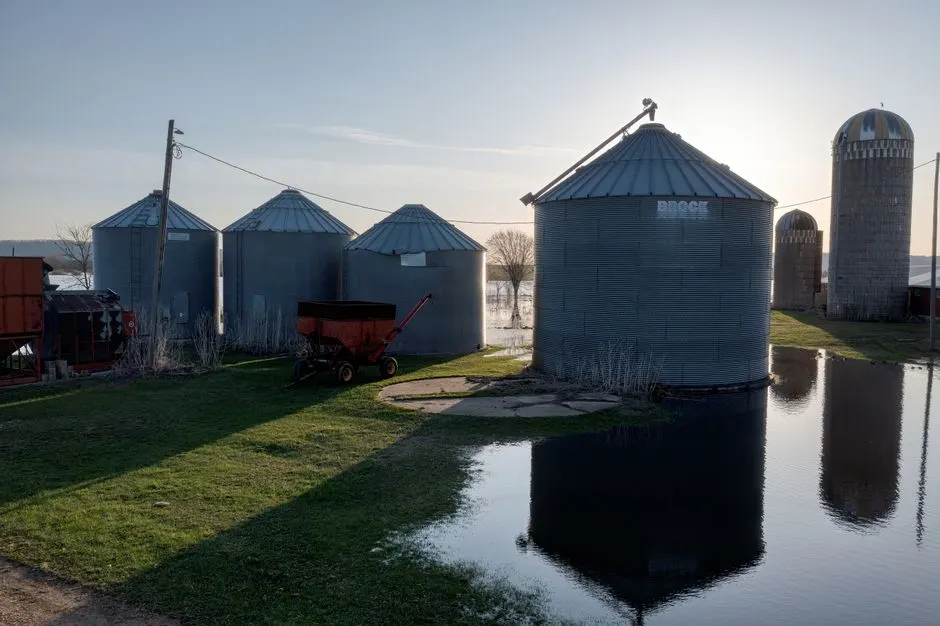
Shut off the water source, cut power to every wet area, and get extraction equipment running within the first hour. That order matters more than anything else you do on day one. Emergency water cleanup in South Prairie Industrial Park WA is a race against absorption - concrete slabs, drywall, insulation, and stored inventory all start wicking moisture the moment water stops moving, and the clock on mold growth starts ticking at roughly the 24-to-48-hour mark.
Below is the exact sequence our crews run when we roll into a warehouse, shop, or office building off Prairie Industrial Way. It covers the first hour, the first day, what it costs in 2026, and when a commercial water cleanup South Prairie Industrial Park WA crew needs to take over.
The first 60 minutes: what to do first
Emergency water cleanup in South Prairie Industrial Park WA is the process of stopping an active water source, removing standing water, and drying the structure fast enough to prevent mold and structural damage. The first hour is about stopping the inflow and making the building safe - not about mopping.
Work through these steps in order:
- Shut off the main supply. In most Industrial Park buildings the main shutoff sits near the utility meter or in a mechanical closet. If the water is coming from a roof drain, sprinkler line, or sewer backup, the shutoff will not help - skip to step two.
- Kill power to wet zones. Hit the breaker for any area where water is touching outlets, machinery, or standing on the slab. Water and 480-volt equipment do not mix.
- Document everything. Photograph the source, the water line on walls, and every affected pallet or machine before you move anything. Your insurance adjuster will want timestamps.
- Start extraction. Push standing water toward a floor drain or sump with a squeegee, or use a wet vac if the area is small. Every gallon you pull out manually is a gallon that is not soaking into the slab.
- Call a restoration crew. Truck-mounted extraction pulls 20 to 30 gallons per minute. A shop vac pulls about one. That gap is why we tell Industrial Park managers to make the call in the first 15 minutes, not the first afternoon.
If the water is clean supply-line water, you have time. If it is gray or black water - sewage, floodwater, or anything that has sat for more than 48 hours - treat it as contaminated and stay out of the space until a crew with PPE arrives.
For buildings that take on water repeatedly, we also install sump and containment systems through our water damage mitigation South Prairie WA service so the next event is a nuisance instead of a shutdown.
Why Industrial Park buildings flood differently
South Prairie Industrial Park buildings flood differently than houses because of slab-on-grade construction, large open floor plates, and the amount of stored material sitting on the floor.
Three things change the math:
- Concrete slabs wick. A 6-inch slab can hold moisture for weeks after the surface looks dry. We meter-read slabs with a penetrating moisture meter because a visual check tells you nothing.
- Open floor plates spread water fast. A burst line in a 20,000-square-foot warehouse can put a quarter-inch of water across the entire floor in under an hour.
- Inventory and equipment absorb. Cardboard, pallets, fabric, and paper stock act like sponges. Once they are saturated, they are usually a loss - and they hold moisture against the slab underneath them.
We also see a specific pattern in the older buildings around Water Damage Restoration in South Prairie Industrial Park: cast-iron drain lines that have been in the ground since the 1970s and 1980s, roof drains that back up during the November-to-March rain season, and sprinkler lines that fail on the first hard freeze. Each one calls for a different first move.
If your building sits on the residential side of the park boundary, the playbook changes - smaller square footage, more finished surfaces, and often a basement or crawl space involved. We handle those through our basement flood cleanup South Prairie WA service, which is a different equipment package than a warehouse job.
How much does emergency water cleanup cost in South Prairie Industrial Park Washington?
Typical 2026 pricing for commercial emergency water cleanup in South Prairie Industrial Park Washington runs $3,200 to $18,000 for most buildings, with the wide range driven by square footage, water category, and how long the water sat before extraction started.
Here is how the numbers break down:
- Emergency response and extraction: $1,200 to $3,500 for the first 2,000 square feet, then roughly $0.40 to $0.90 per additional square foot.
- Drying equipment (air movers and dehumidifiers): $45 to $85 per unit per day, typically for 3 to 5 days.
- Antimicrobial treatment: $0.25 to $0.60 per square foot on affected surfaces.
- Contaminated water (Category 2 or 3): add 40 to 70 percent for PPE, disposal, and additional containment.
- Mold remediation, if growth is already present: $2,500 to $12,000 depending on how far it has spread.
The single biggest cost driver is time. A job we start within two hours of the leak is usually a three-day dry-out. The same job after 48 hours is a five-to-seven-day dry-out plus a mold remediation line item. Same water, same building, roughly double the invoice.
Most commercial property policies cover the extraction, drying, and rebuild as separate line items. We document moisture readings, thermal images, and daily drying logs so your adjuster has what they need to approve the full scope on the first pass.
Is 24/7 water cleanup available in South Prairie Industrial Park WA?
Yes - 24/7 water cleanup is available in South Prairie Industrial Park WA, and for commercial buildings it is the difference between a contained event and a multi-week shutdown.
Water does not respect business hours. A sprinkler head shears at 2 a.m. on a Sunday, a supply line lets go during a holiday shutdown, a roof drain backs up during a November storm at 11 p.m. Every hour the water sits, it spreads further across the slab and climbs higher into drywall.
Our crews are set up for after-hours dispatch because that is when most Industrial Park water emergencies actually happen - when nobody is on site to catch them early. We arrive with truck-mounted extraction, thermal imaging, and enough drying equipment to start the dry-out the same night instead of waiting for a Monday morning appointment.
If you manage a building in the park, save the number in your phone now. The middle of a flood is not the time to be searching for a water cleanup company South Prairie WA that actually answers at 3 a.m.
Common mistakes we see on Industrial Park water calls
The most expensive mistakes on Industrial Park water calls are the ones that feel productive in the moment - running a shop vac, opening windows, and pointing a box fan at the wet spot.
Here is what we see most often, and why it backfires:
- Running a shop vac instead of calling for extraction. A shop vac pulls about a gallon a minute. Truck-mounted extraction pulls 20 to 30. You lose hours you cannot get back.
- Opening the building up to "air it out." In a South Prairie November, outside air is at 85 to 95 percent relative humidity. You are pulling moisture into the building, not out of it.
- Pointing box fans at the floor. Air movement without dehumidification just moves moisture around. You need both, sized to the cubic footage.
- Pulling wet inventory out and stacking it in a dry zone. Saturated cardboard and pallets keep releasing moisture for days. Isolate them outside or in a designated wet zone.
- Assuming the slab is dry because it looks dry. Concrete stays wet for weeks after the surface reads dry to the eye. Without a moisture meter, you are guessing.
- Waiting to file the claim. Most commercial policies have a prompt-notice clause. Call your adjuster the same day you call us.
One more: do not let anyone - including a well-meaning employee - walk through standing water near energized equipment. That is how a water loss turns into a hospital visit.
When to call a professional
Call a professional the moment water covers more than about 100 square feet, touches drywall or insulation, or comes from a contaminated source. Those three conditions put the job past what a shop vac and a fan can fix.
For Industrial Park buildings specifically, we recommend calling us if any of these are true:
- Water has been sitting for more than two hours.
- The affected area is larger than a single office or break room.
- Water touched electrical panels, machinery, or stored inventory.
- The source is a sewer line, roof drain, or anything that has contacted the ground.
- You can smell the musty, earthy odor that signals mold is already starting.
Water Damage Restoration South Prairie sends crews out to Industrial Park buildings with truck-mounted extraction, thermal imaging, and commercial-grade drying equipment. We handle the extraction, the dry-out, the documentation for your insurer, and the rebuild if the walls or ceilings need to come out. If mold is already present, we fold in mold remediation after water damage South Prairie WA so you are not coordinating two contractors on one job.
One call, one crew, one invoice. That is the point.
Frequently Asked Questions
What should I do first for emergency water cleanup in South Prairie Industrial Park WA?
Shut off the water source, cut power to wet areas, and call a restoration crew - in that order. Then document with photos and start pushing standing water toward a drain. Extraction within the first hour is what keeps a three-day dry-out from turning into a two-week mold job.
How much does emergency water cleanup cost in South Prairie Industrial Park Washington?
Most commercial jobs in 2026 run $3,200 to $18,000. A small office loss might land near $3,000; a 20,000-square-foot warehouse with contaminated water can exceed $18,000. Time-to-extraction is the biggest single factor in where your invoice lands.
Is 24/7 water cleanup available in South Prairie Industrial Park WA?
Yes. We dispatch crews 24 hours a day, seven days a week, including holidays. Most Industrial Park water emergencies happen after hours when nobody is on site, so overnight response is standard for us, not an exception.
Does emergency water cleanup work with insurance in South Prairie Industrial Park WA?
Yes. Most commercial property policies cover extraction, drying, and rebuild. We document moisture readings, thermal images, and daily drying logs, then bill your carrier directly. Call your adjuster the same day so you stay inside the prompt-notice window.
How long does the dry-out take?
Most Industrial Park dry-outs run three to five days with commercial dehumidifiers and air movers. Contaminated water or a slab that has been wet for over 48 hours pushes it to five to seven days. We take daily moisture readings and do not pull equipment until the slab and walls hit dry standard.
Get help with Water Damage Restoration in South Prairie
If water is on the floor of your Industrial Park building right now, every hour you wait adds to the invoice. We run 24/7 emergency water cleanup and drying for commercial and residential properties across South Prairie, and we can be on site with extraction equipment the same night you call.
Call (833) 321-7153 and tell us the address and what you are seeing. We will tell you what to do while we are on the way.